

Thank you for your guidance over the past 3 years in shaping the SPF program. As a token of our gratitude, we invite you to help select nature-based projects that will receive funding
It's time to make a positive impact - we’re supporting game-changing global sustainability projects and you decide where the funds go! Your vote will really make a difference!
Voting is now closed
Want to do more? Donate now
These inspirational projects need your support. Donate now to help them continue their planet-saving sustainability work.
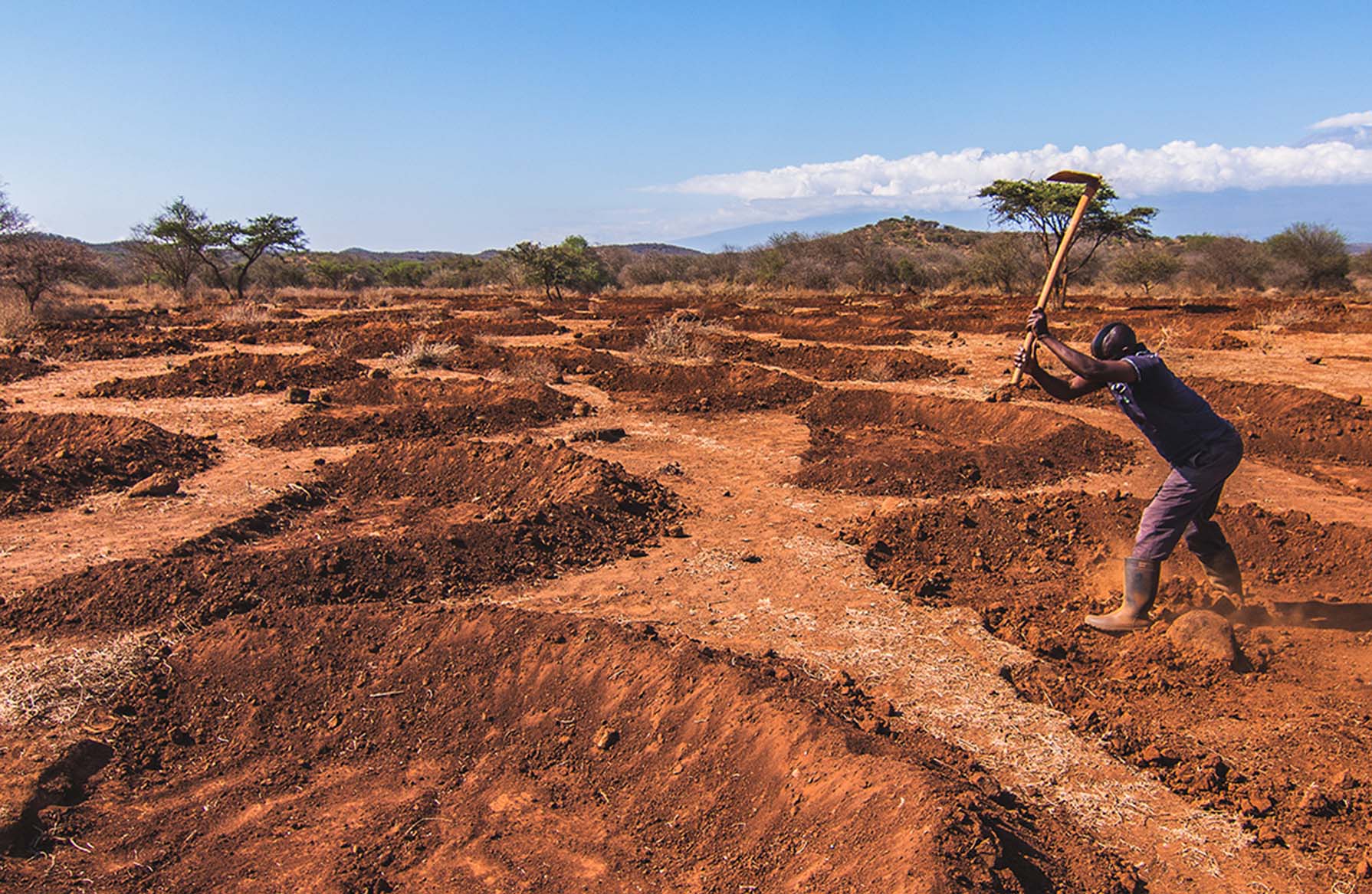
Rainwater harvesting - bunds
Restoring desertified, dry land using techniques including rainwater harvesting
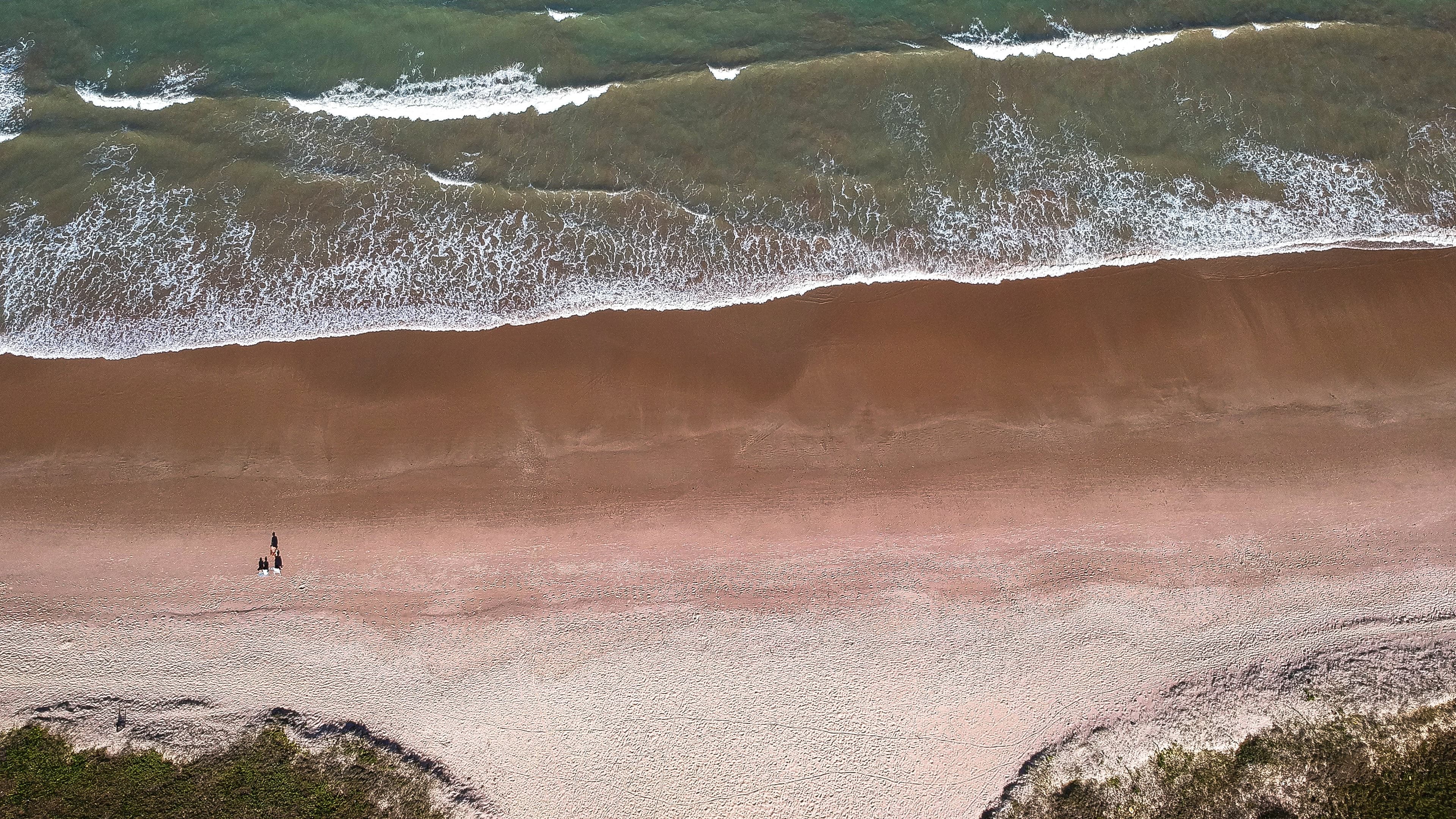
Ocean Alkalinity Enhancement
Independent research of Ocean Alkalinity Enhancement
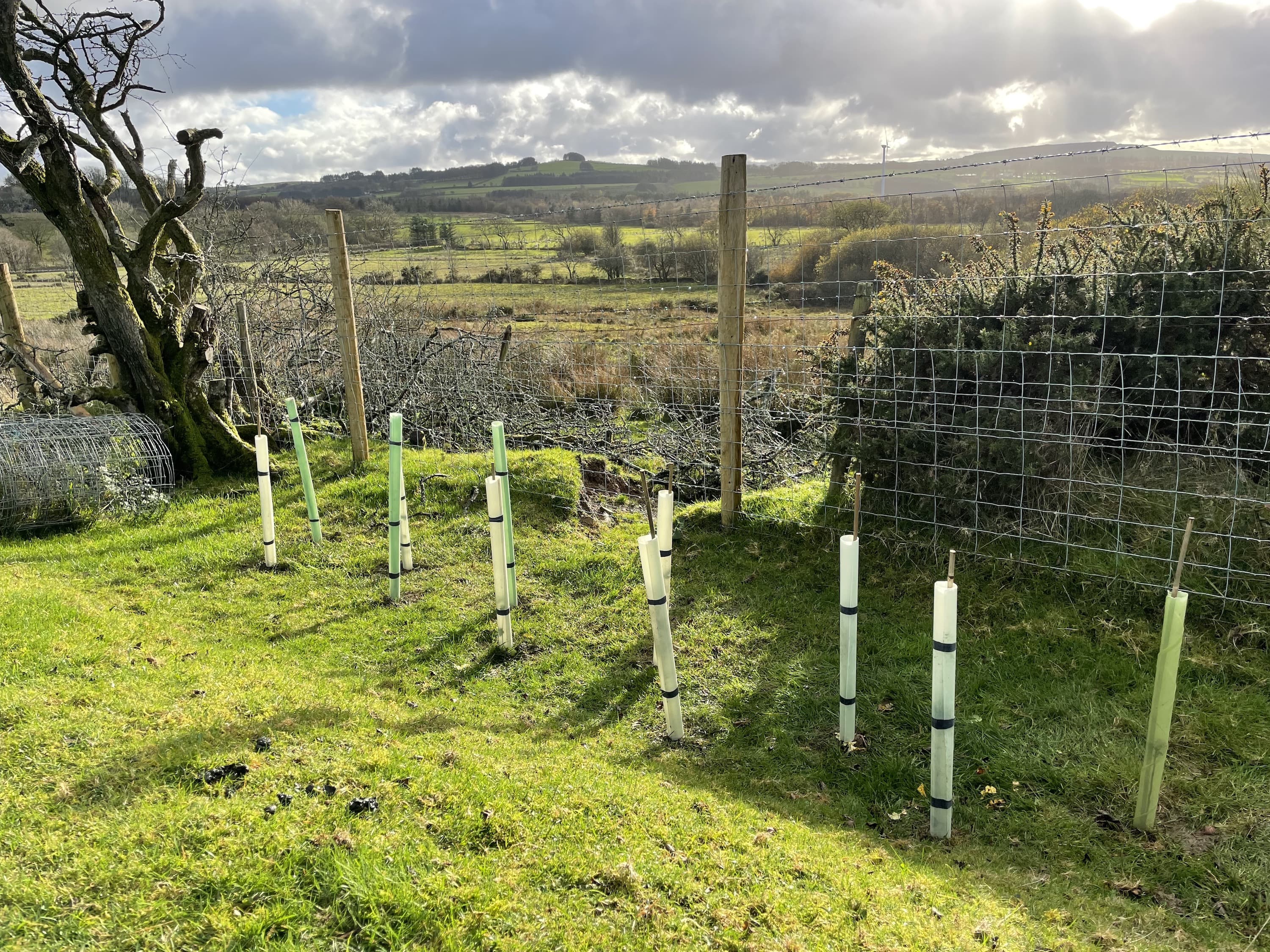
Woodland and hedgerow creation
Woodland and hedgerow is being restored to benefit wildlife
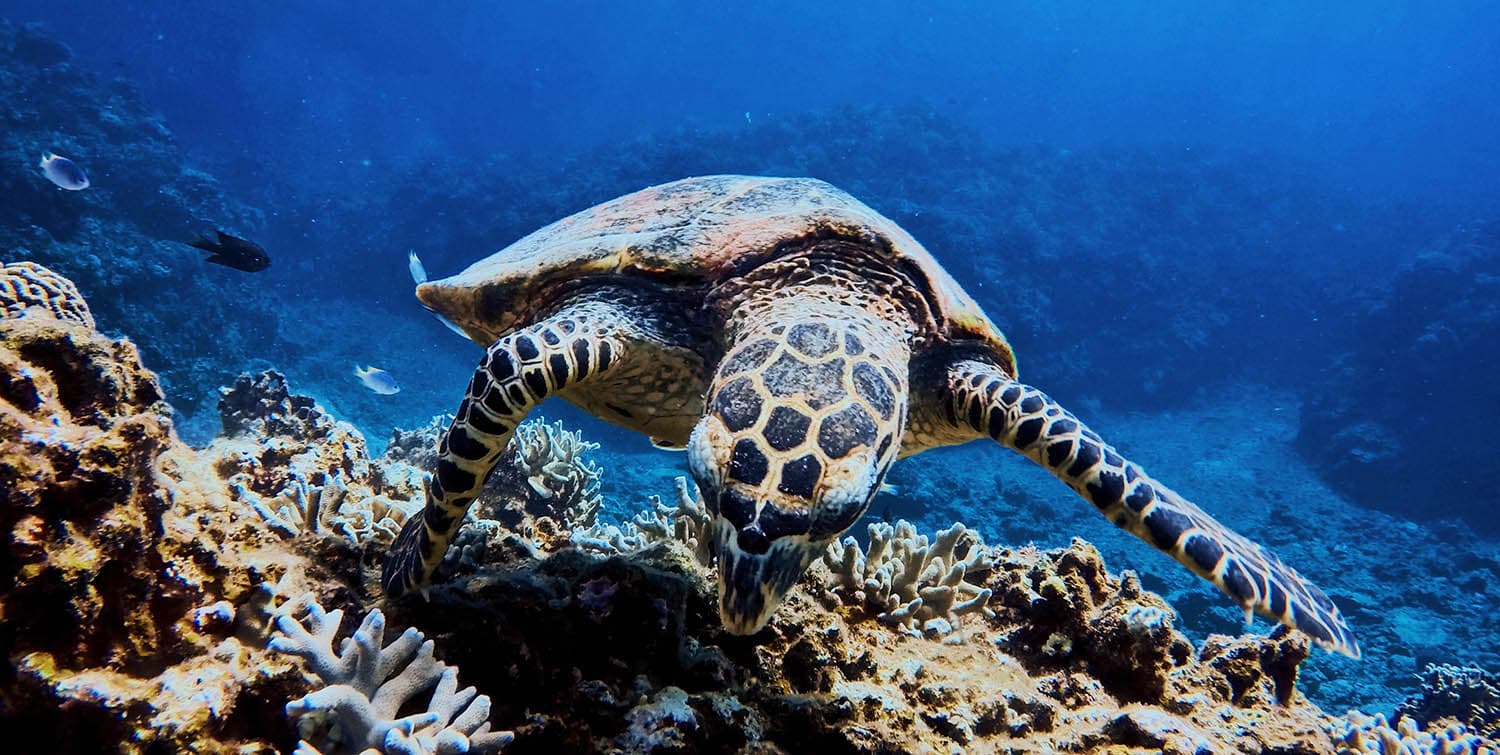
Turtle hatchling protection
Protecting threatened or endangered sea turtles
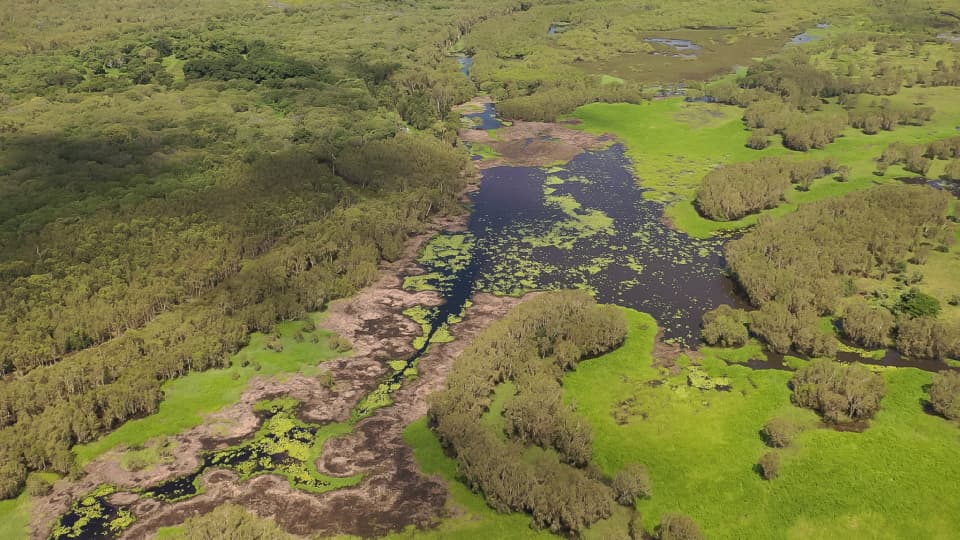
Reef Aid
Flagship initiative to restore vital ecosystems that support the Great Barrier Reef
Our projects
Learn more about them, choose your favourite, and support them directly.
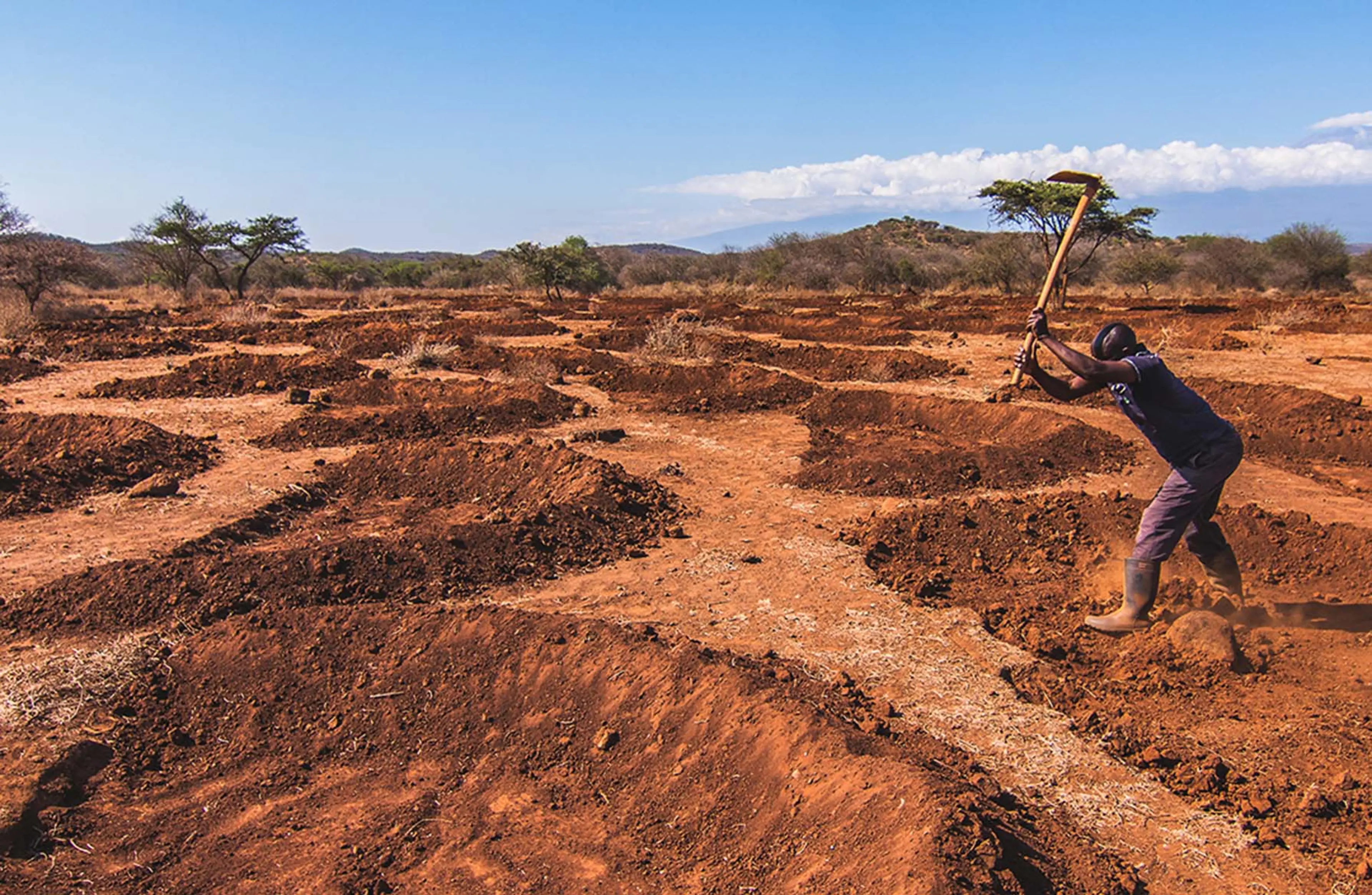
Regreening - Rainwater Harvesting – Water Bunds (Earth Smiles)
Nature-based solutions are now recognised as a key element of tackling climate change. This project restores desertified, dry land using proven techniques including rainwater harvesting (digging bunds, or ‘earth smiles’).
Find out more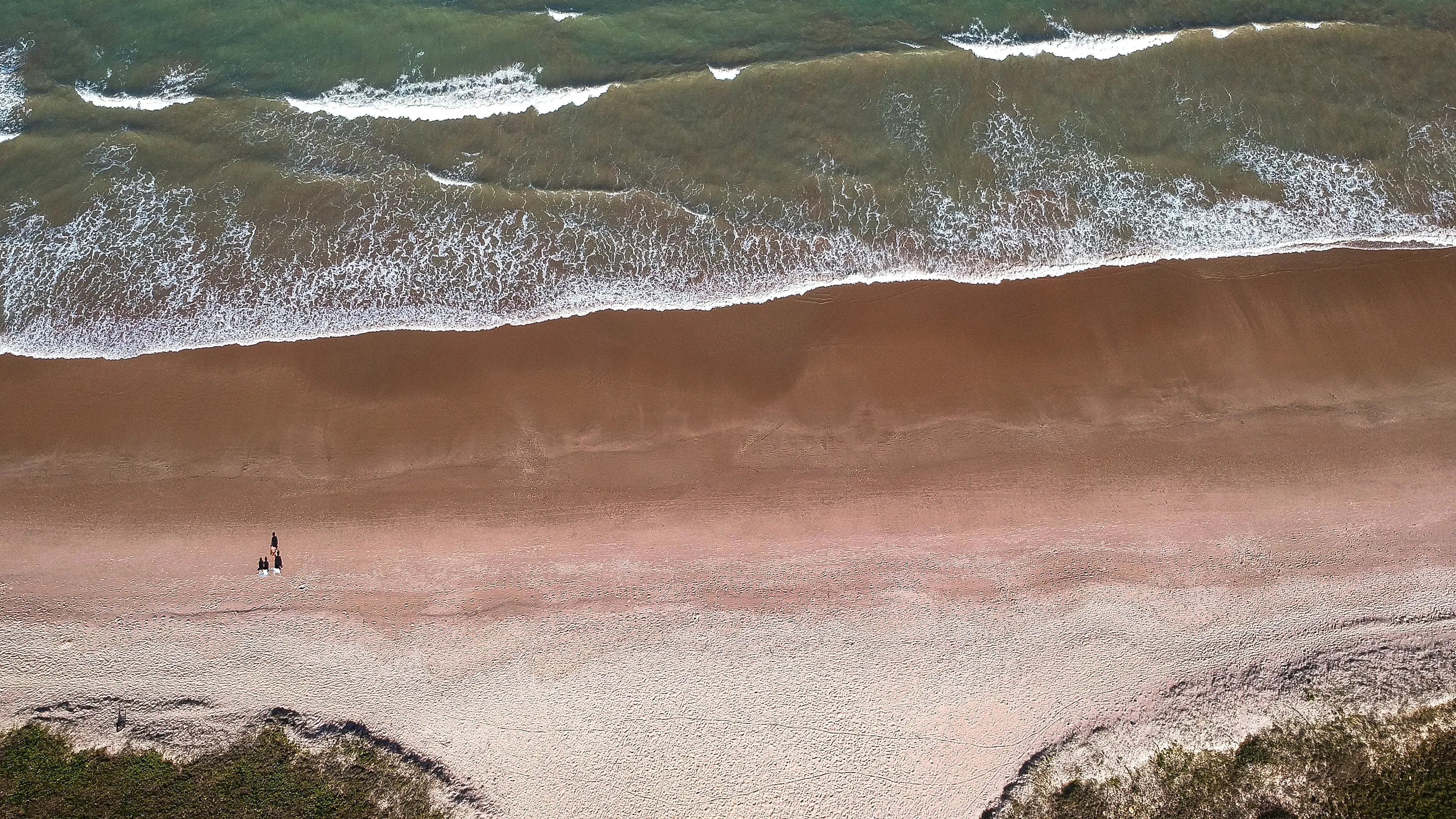
Ocean Alkalinity Enhancement
According to the National Academies of Sciences, Engineering, and Medicine, negative emissions technologies will likely need to remove ten gigatonnes of C02 per year globally by mid-century to achieve climate and economic growth goals. Hourglass exists to evaluate the potential of a class of marine carbon removal solutions known as mineral-based Ocean Alkalinity Enhancement (OAE) strategies and the extent to which these technologies can help scale the capture of additional atmospheric C02, considered to be a mandatory part of limiting climate warming to 2°C.
Find out more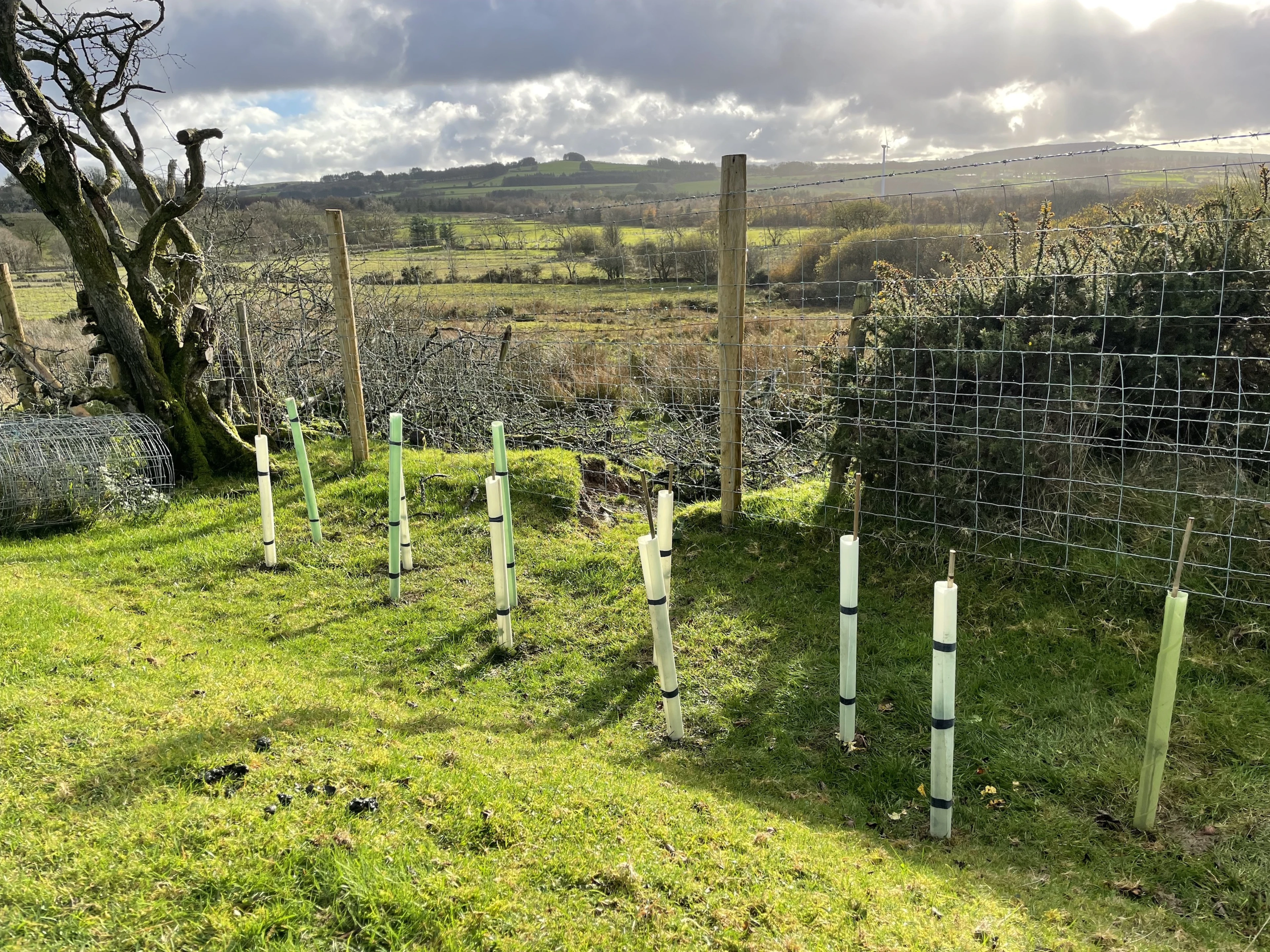
Woodland and hedgerow creation, England and Wales
Protect Earth plants and restores across England and Wales. An example of their work is this abandoned farmhouse and smallholding is being restored to benefit wildlife, food production, and the local economy. A woodland block is being planted at one end, a shelterbelt to block the wind is being planted along the road, and hedging filling the remaining borders. The hedgerow is 125 metres in total, with 600 hedging plants, with the following native species Hawthorn, Blackthorn, Guelder Rose, Hazel, and Alder Buckthorn.
Find out more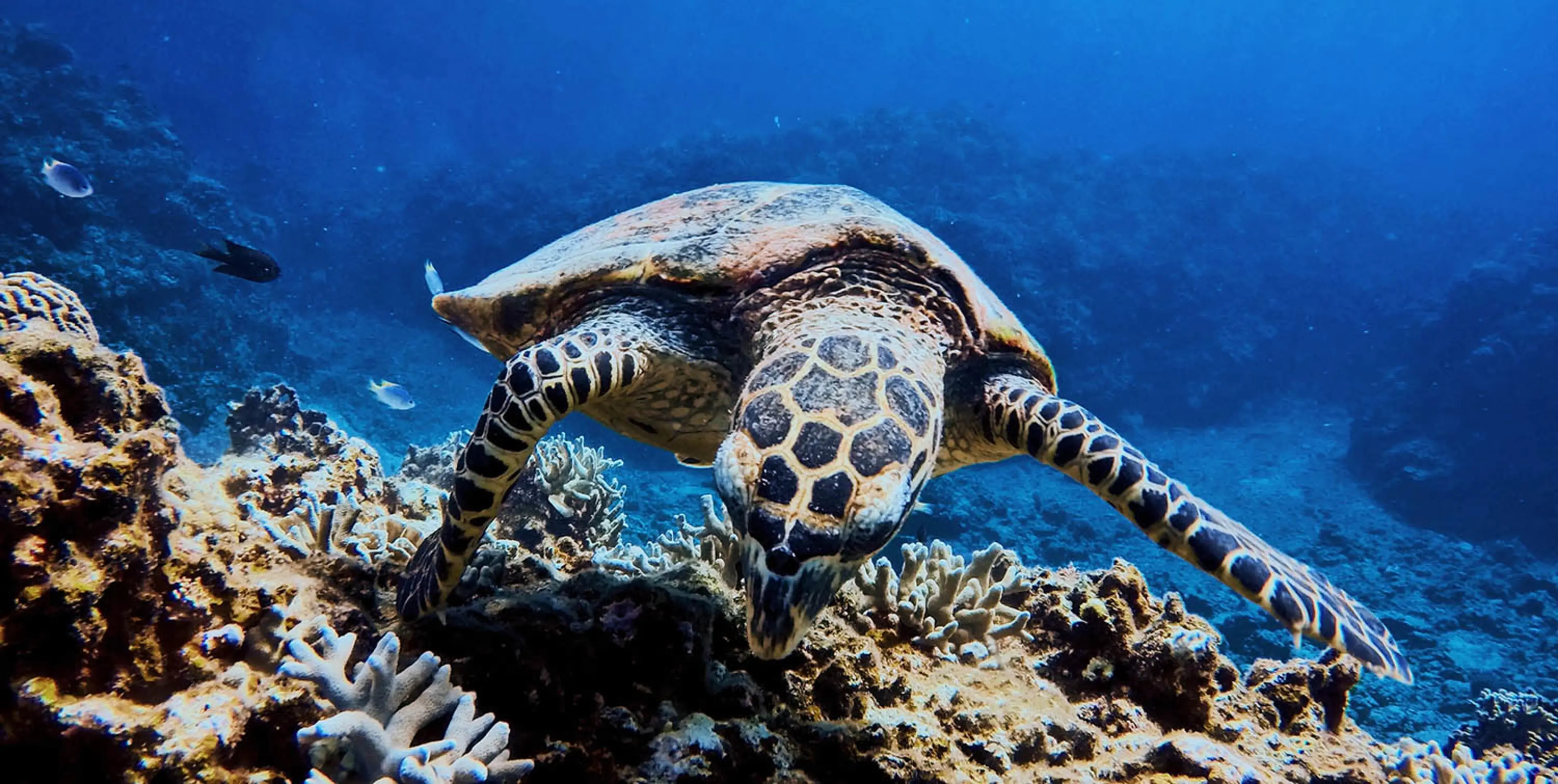
Turtle hatchling protection
Six out of seven species of sea turtles are threatened or endangered. This project protects this "keystone species". This project provides grant funding to the organisations working on small budgets. The funds go towards paying local residents to patrol important turtle nesting beaches, protecting turtles that come up to nest and ensuring that the eggs are protected, and guiding the hatchlings to the sea. SEE Turtles grants have already resulted in 10 million hatchlings being saved! They’re aiming to save 1 billion.
Find out more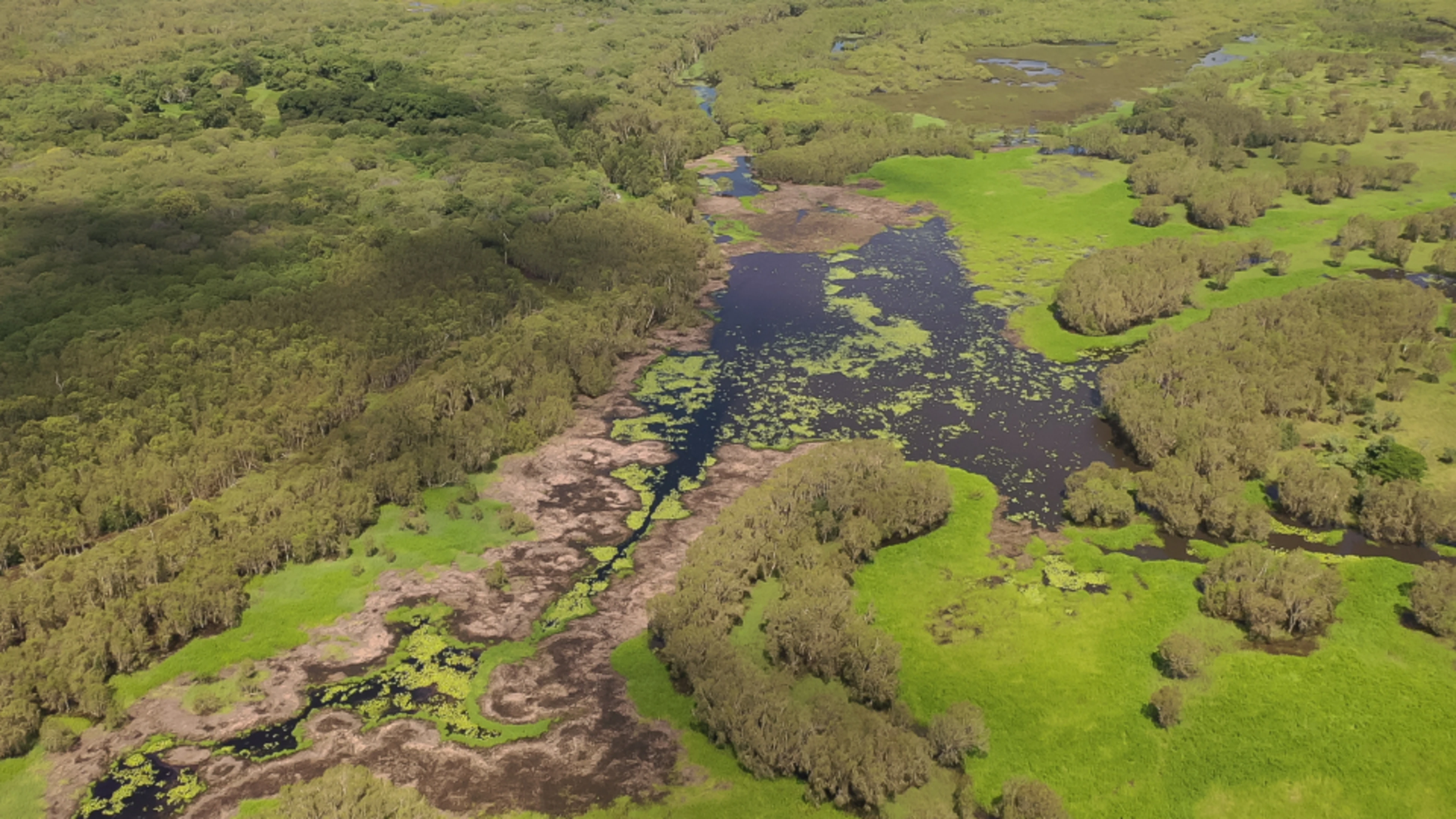
Reef Aid
Reef Aid is Greening Australia’s flagship initiative to restore vital ecosystems that support the Great Barrier Reef. By repairing eroded gullies and restoring coastal wetlands, Reef Aid reduces sediment runoff, improves water quality, and helps protect the reef’s delicate marine life. With sediment pollution contributing to coral decline, the goal is to restore 10,000 hectares of priority land and prevent over 400,000 tonnes of sediment from reaching the reef by 2030.
Find out more