Ocean Alkalinity Enhancement
Independent research of Ocean Alkalinity Enhancement
According to the National Academies of Sciences, Engineering, and Medicine, negative emissions technologies will likely need to remove ten gigatonnes of C02 per year globally by mid-century to achieve climate and economic growth goals. Hourglass exists to evaluate the potential of a class of marine carbon removal solutions known as mineral-based Ocean Alkalinity Enhancement (OAE) strategies and the extent to which these technologies can help scale the capture of additional atmospheric C02, considered to be a mandatory part of limiting climate warming to 2°C.
Action feed
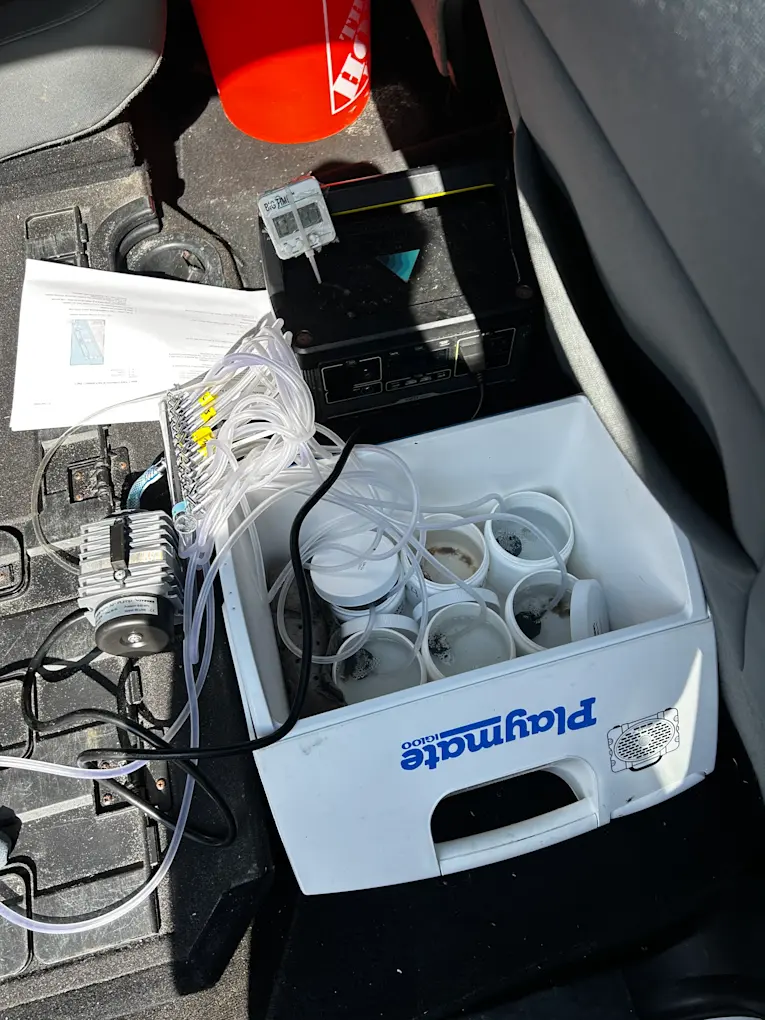
After collection, marine organisms are kept alive in containers full of seawater and bubbled with oxygen until they can be studied. Photo credit: Hourglass
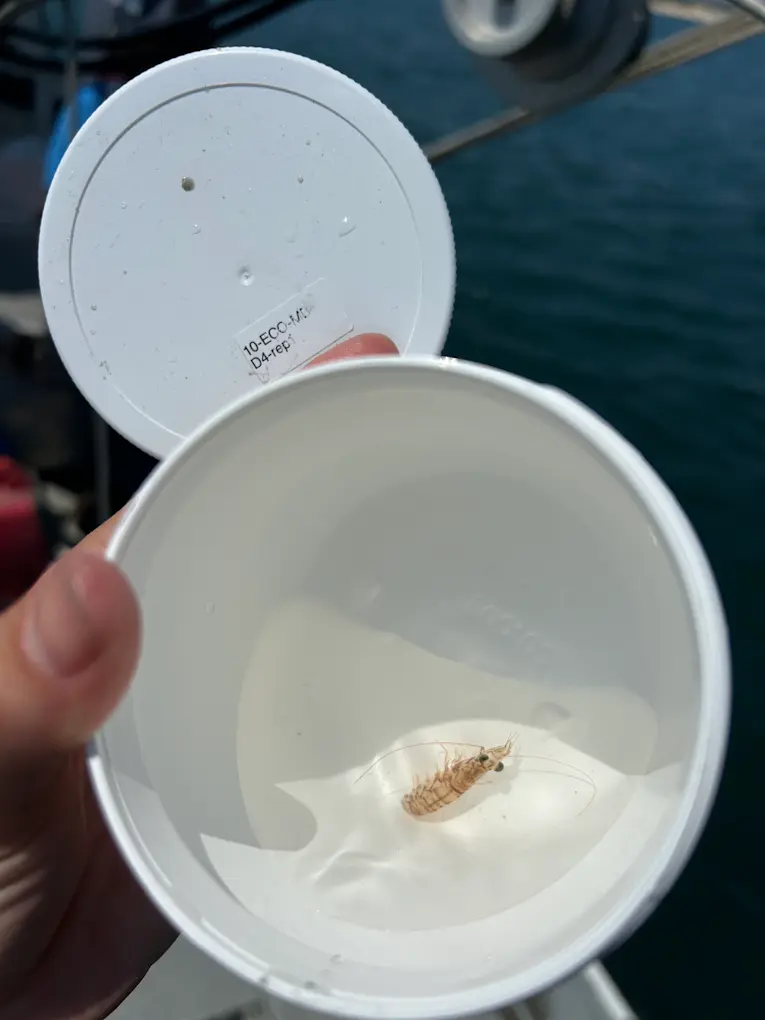
Hourglass scientists find a wide range of marine life at the study site, such as shrimp. Photo credit: Hourglass
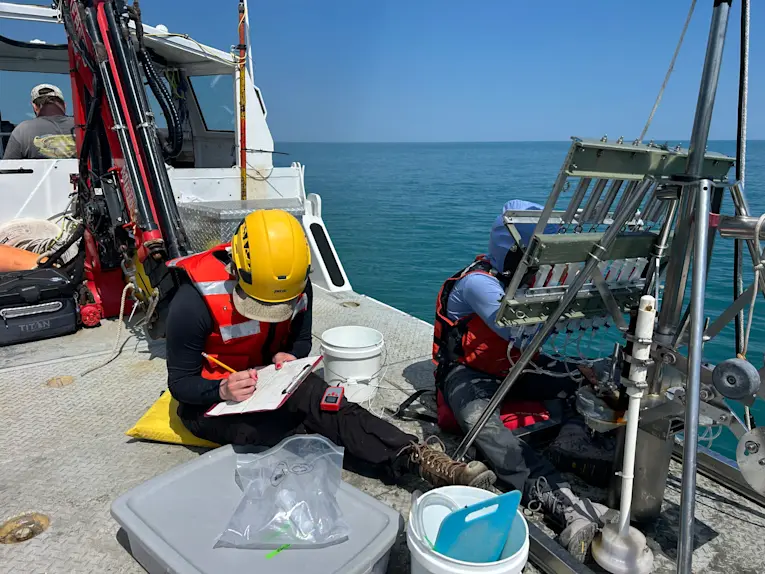
Hourglass scientists, aboard a monitoring vessel, collect seawater samples to study the water quality conditions at the site, which could be impacting marine life. Photo credit: Hourglass
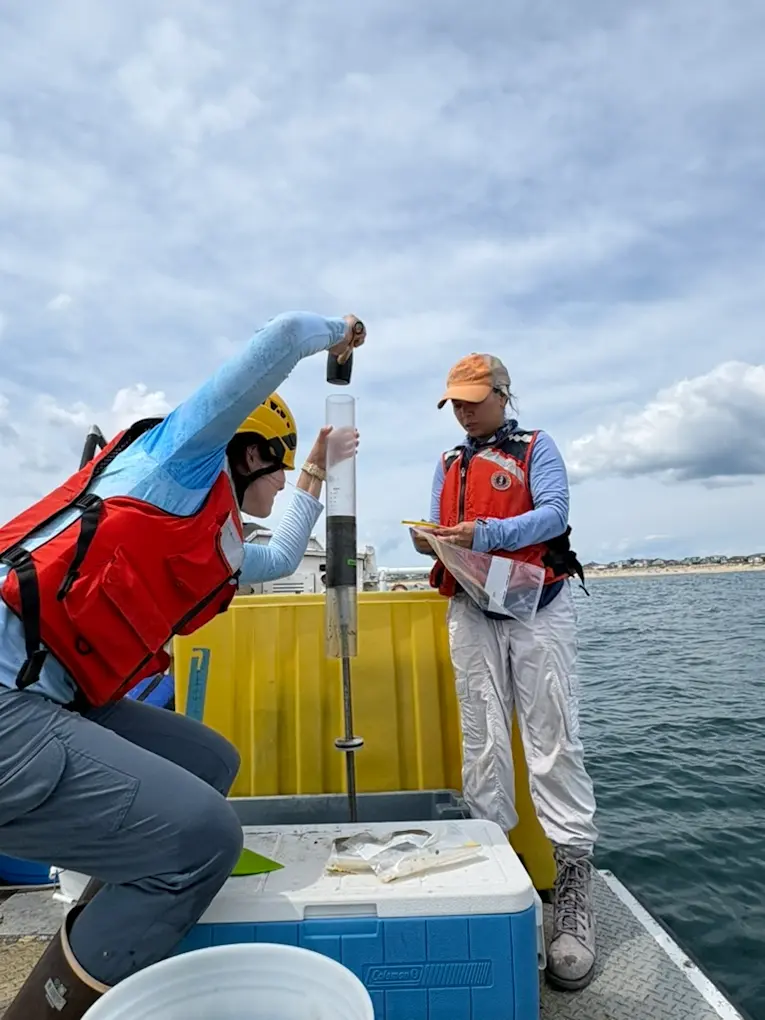
Hourglass scientists, aboard a monitoring vessel, collect a tube of sediment from the seafloor. This sediment is then sieved to isolate and study marine organisms, such as crabs and worms, that live on the seafloor. Photo credit: Hourglass
Hourglass will be demonstrating Framework for Ecotoxicological Modelling of mCDR (FEMM) in action at the Carbon to Sea Convening in April 2026, with a first look at the new FEMM web tool. The tool will enable project developers to assess the environmental risk of their mCDR field projects with clarity and ease.
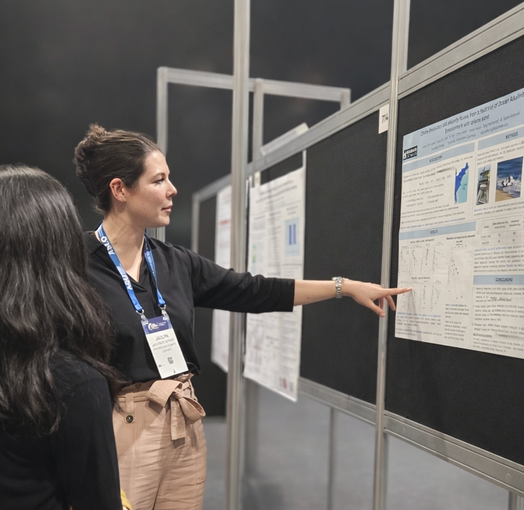
In March 2026 Hourglass attended the Ocean Sciences Meeting in Glasgow, Scotland. The team participated in six presentations and a Town Hall during the conference, discussing the future of ocean-climate solutions.
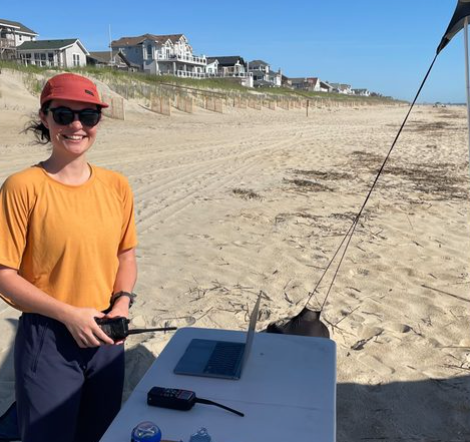
New Operations Specialist April Eason has brought crucial expertise in navigating the complex needs of marine carbon dioxide removal (mCDR) project stakeholders, from research scientists to local communities. Thanks in part to her skillset, Hourglass is positioned to make significant strides towards a new Ocean Alkalinity Enhancement (OAE) research trial.
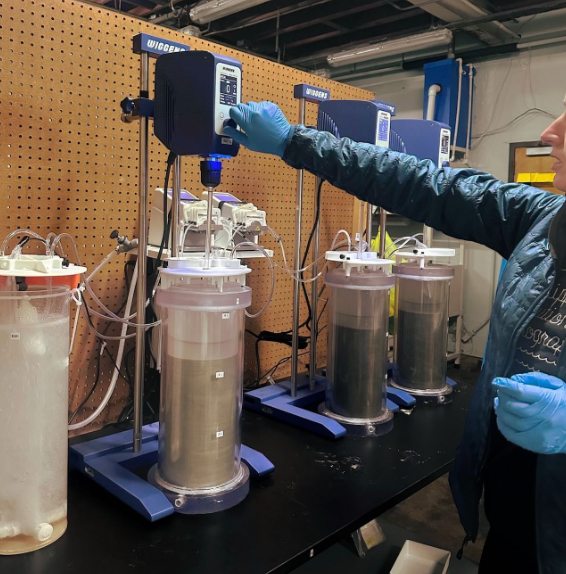
Hourglass' MARINER Lab is utilising the mineral olivine to better understand the carbon dioxide removal (CDR) potential of marine carbon dioxide removal (mCDR) feedstocks, years after they enter the ocean. Olivine, recovered from the sea floor off North Carolina, is being studied within the lab's seawater flow-through reactors.
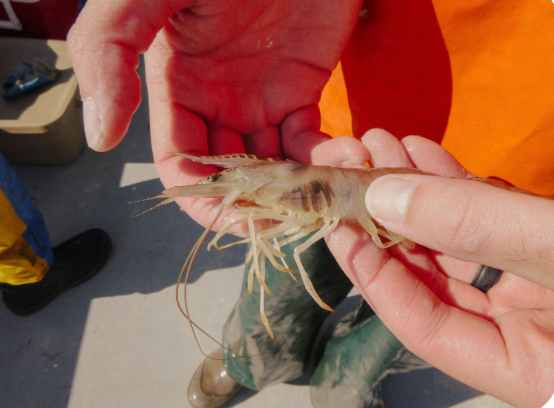
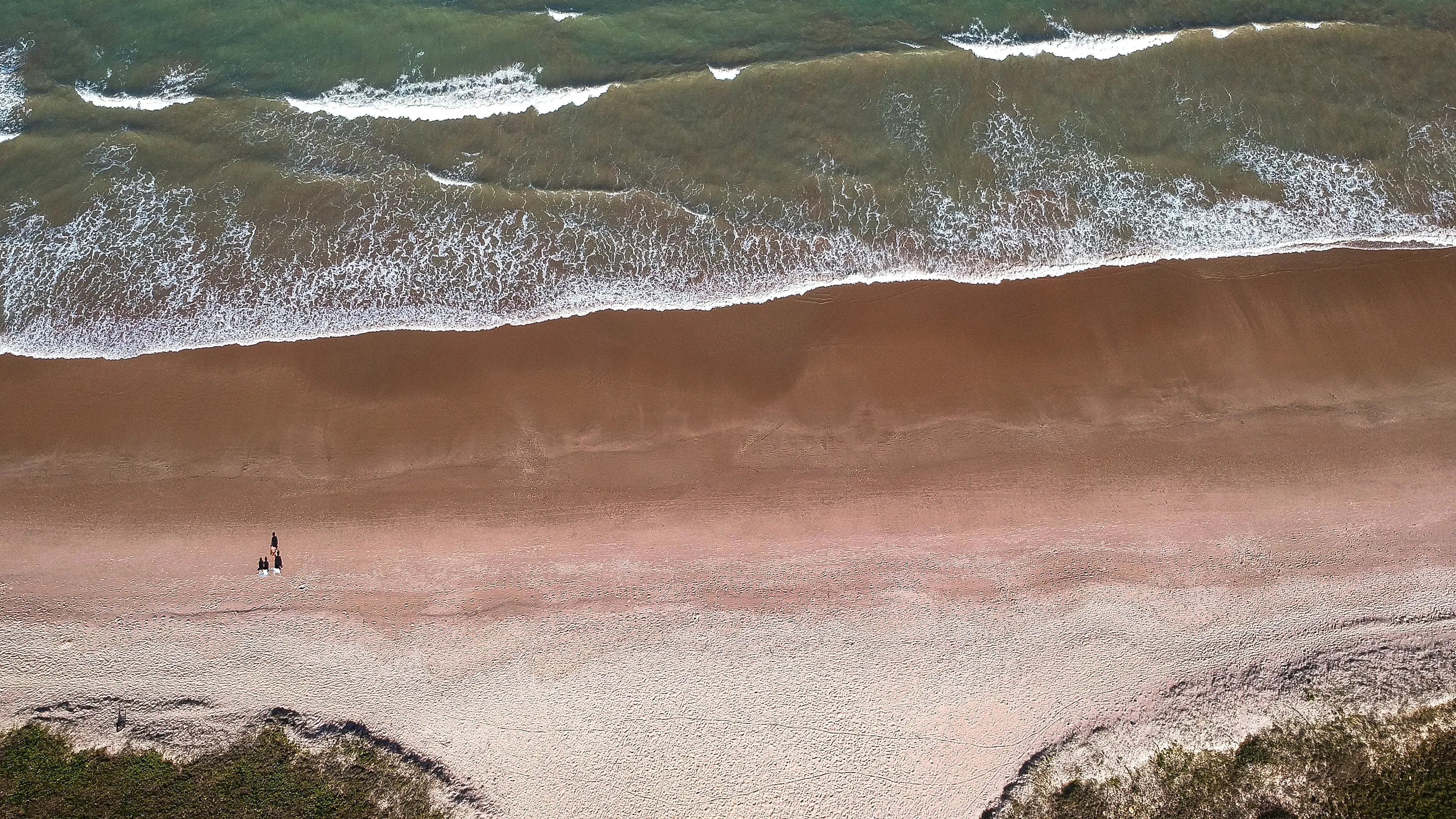
At the halfway point of a three-year ecological programme, Hourglass' Vesta field trial in North Carolina has revealed unprecedented marine biodiversity. A survey conducted in November 2025 documented abundant marine life, providing critical real-world insights into how coastal ecosystems respond to marine carbon dioxide removal (mCDR) projects over time.
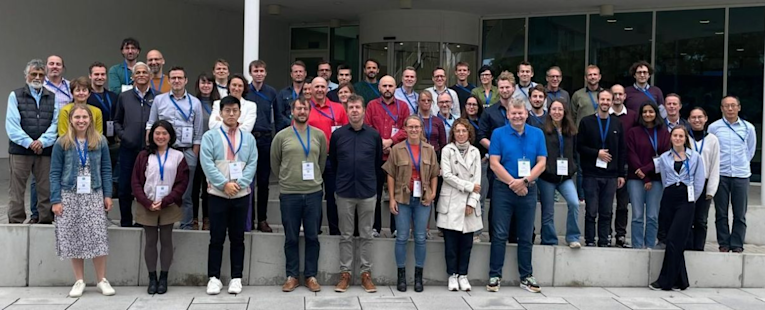
Dr. Chloe Leach, Senior Scientist at Hourglass, traveled to Belgium to speak at the Particles in Europe (PiE) conference. Her talk, “The role of sediment transport dynamics in ocean-based climate change mitigation technologies,” presented results from the North Carolina field trial that Hourglass is monitoring.
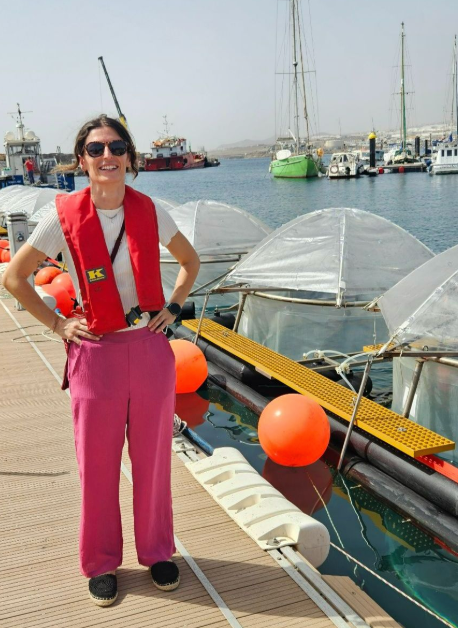
Dr. Emilia Jankowska, Hourglass’ Director of Ecology, joined the GEOMAR team at the KOSMOS mesocosm experiment in Gran Canaria, Spain. While there, she delivered a seminar to GEOMAR scientists and University of Las Palmas students on the potential of mineral-based ocean alkalinity enhancement and Hourglass’ initiatives in ecological safety.
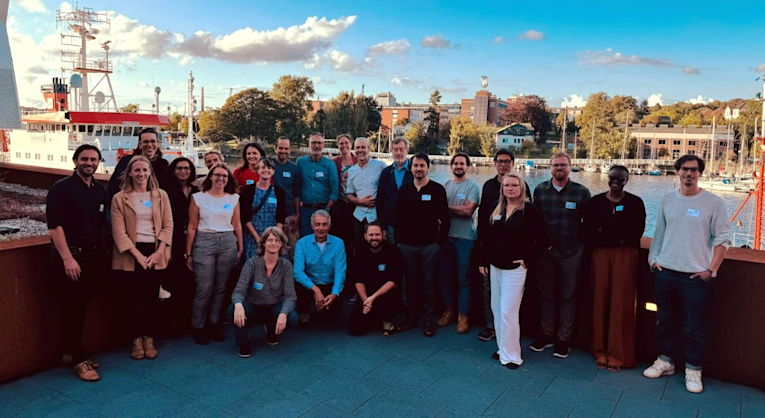
Dr. Grace Andrews, Founder and Executive Director of Hourglass, visited the GEOMAR Helmholtz Centre for Ocean Research in Kiel, Germany to present Hourglass' Framework for Ecotoxicological Modeling of mCDR (FEMM) at a recent workshop.
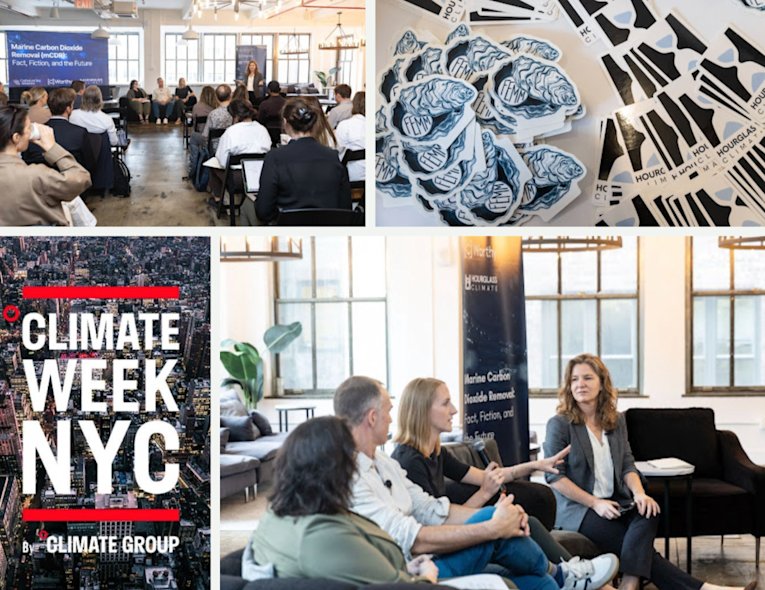
Hourglass hosted a New York Climate Week event, "Marine Carbon Dioxide Removal: Fact, Fiction, and the Future", alongside fellow marine carbon dioxide removal (mCDR) nonprofits Worthy and the Carbon to Sea Initiative. This part-panel, part-networking event offered a space for dialogue and connection across disciplines to confront myths and outdated narratives about mCDR and to highlight the field's progress in Measurement, Reporting, and Verification (MRV).
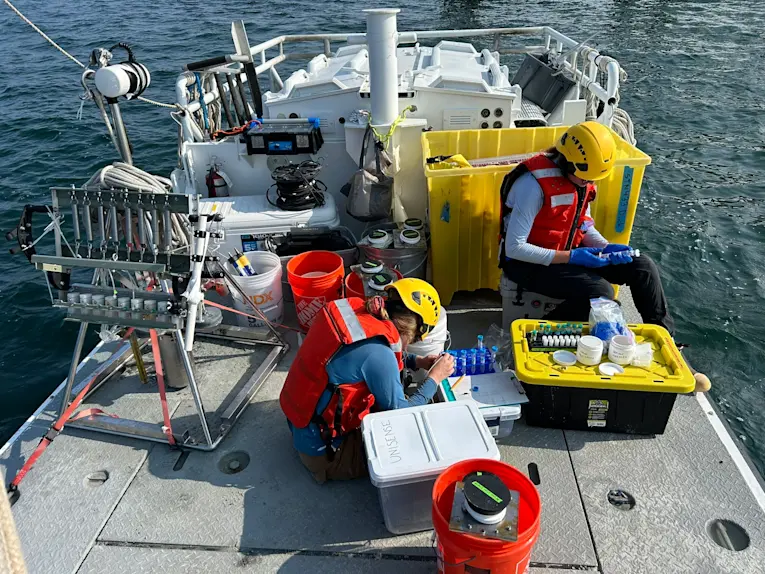
The Hourglass team on the water deploying oceanographic equipment to monitor the project site, in North Carolina, for carbon removal and environmental impacts
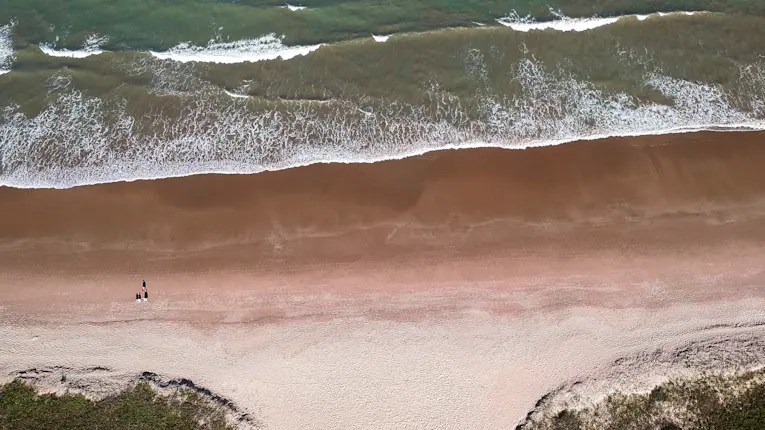
Ocean Alkalinity Enhancement joined Pinwheel!