

Small Actions, Big Impact for Nature
Thank you for selecting an action. It's time to make a positive impact. We're supporting 4 sustainability projects globally and need YOU to decide where the funds go!
Voting is now closed

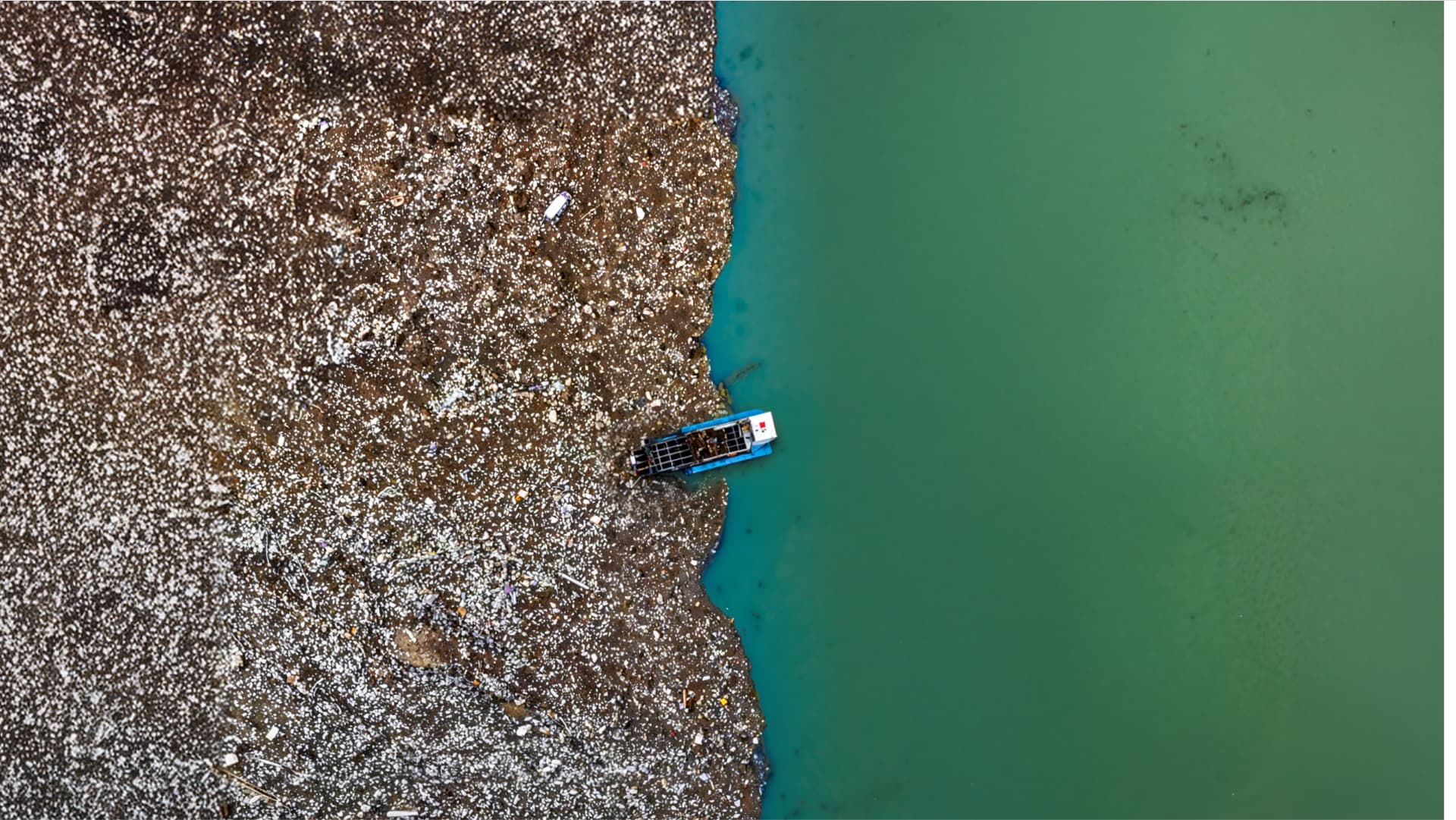
Cleaning up Europe's plastic river
Tackling plastic pollution in the Mediterranean
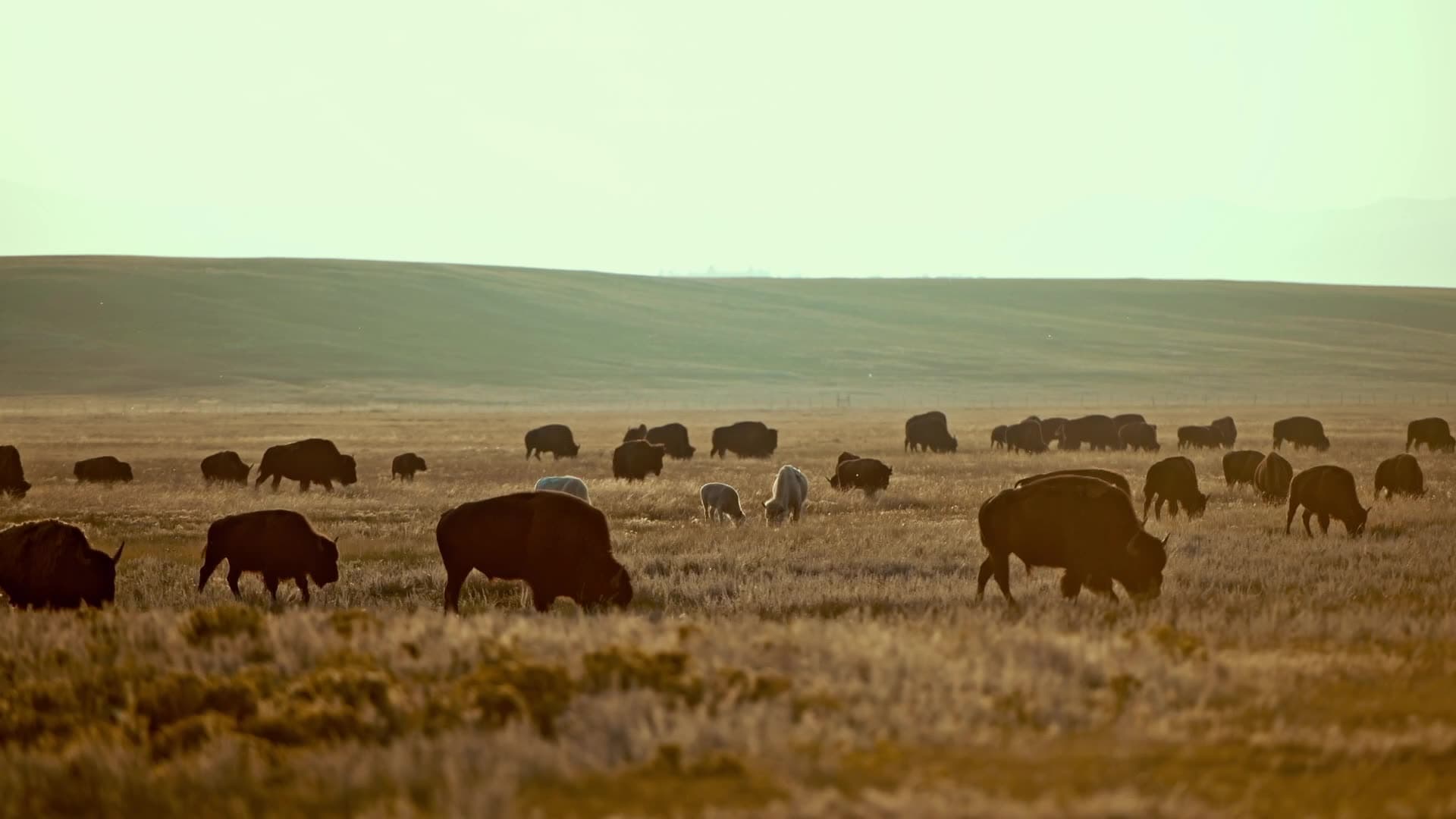
Restoring the American Prairie
Transforming cattle ranches into thriving natural sanctuaries with iconic species
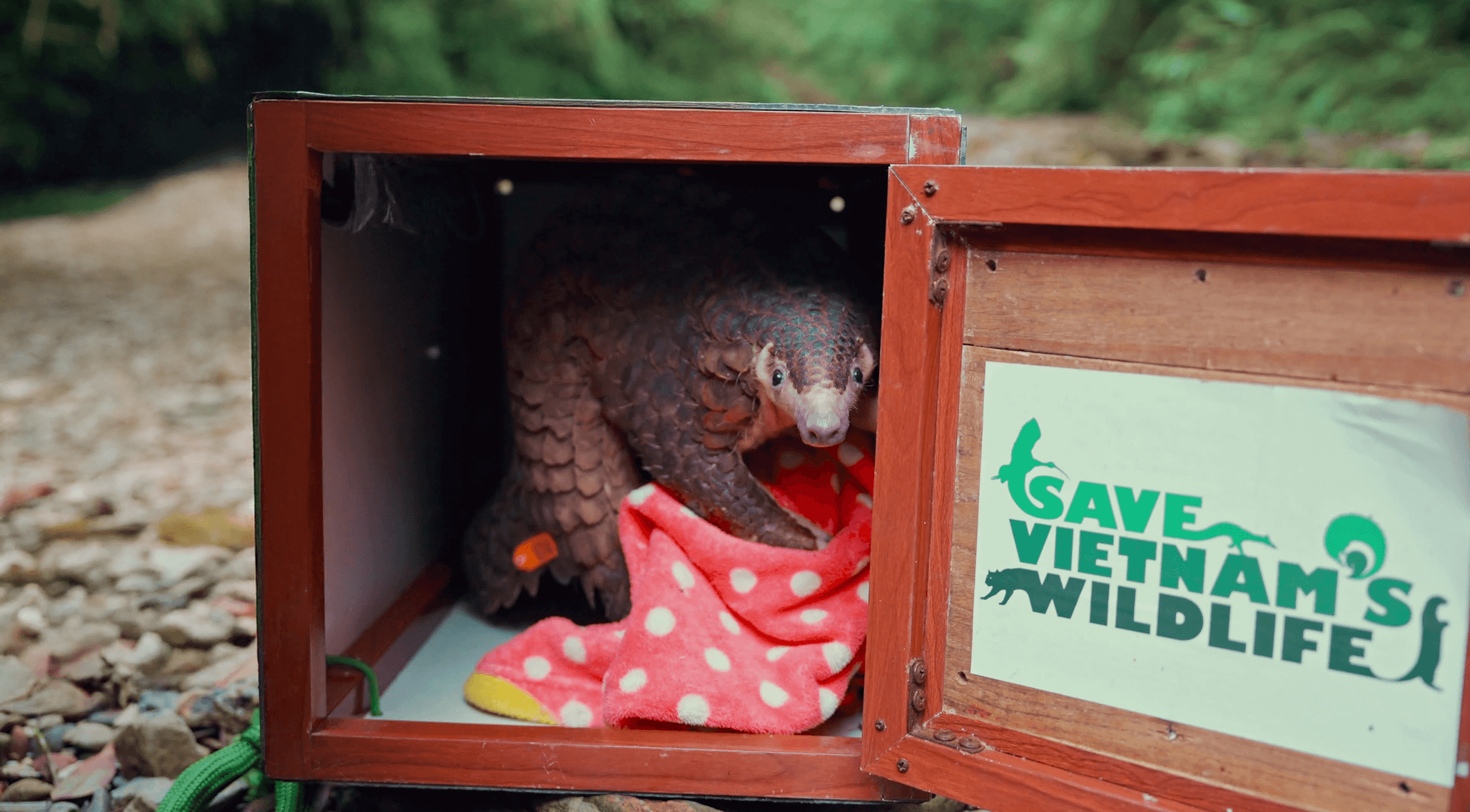
Saving the Pangolin
Protecting the most trafficked animal in the world, the Pangolin
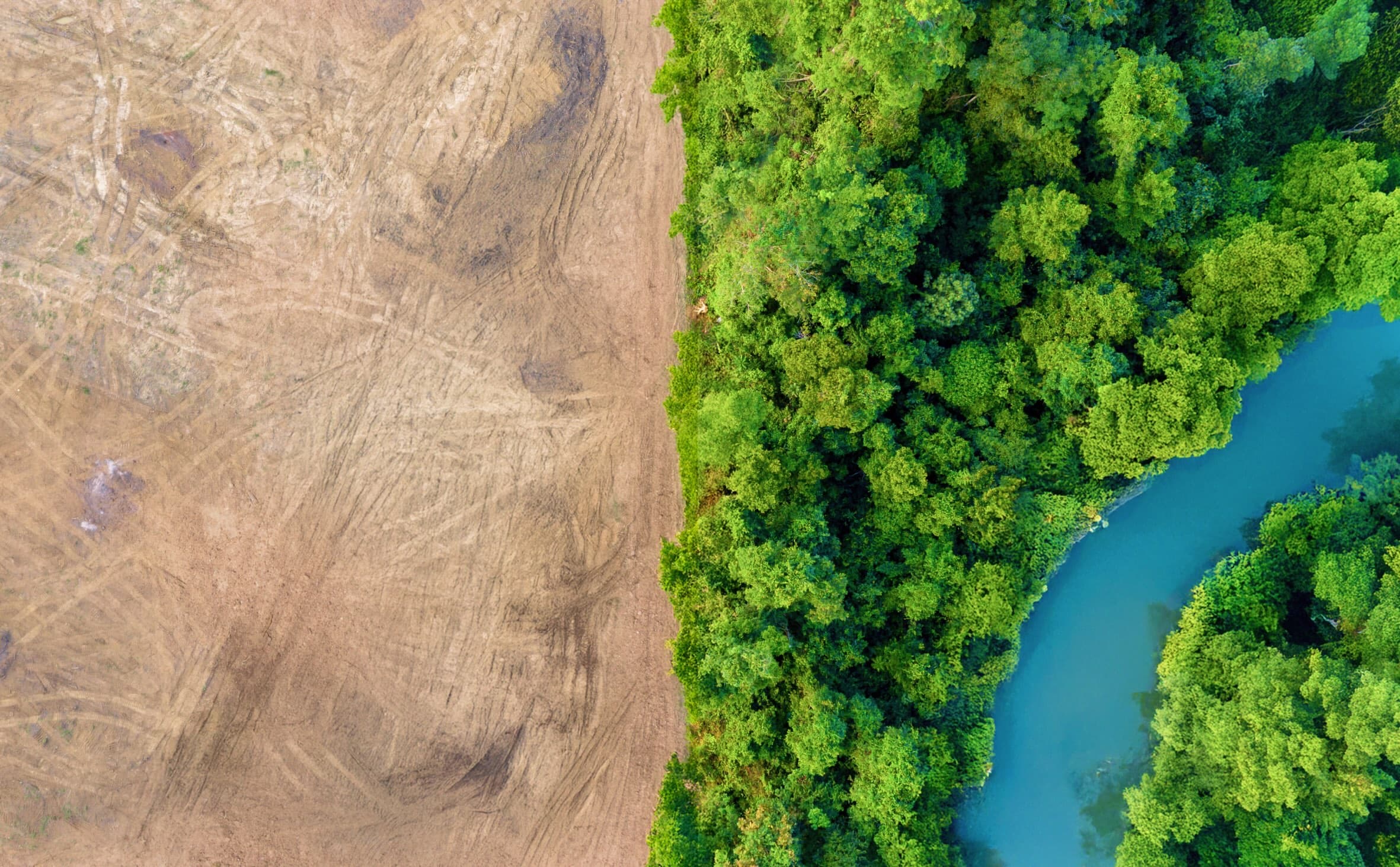
The Fight for the Amazon
Backing Indigenous communities to protect the Amazon
See below the projects we’re supporting in your region!
There are four inspirational projects to choose from. Read more about them, pick your favorite and cast your vote to support them. Your vote makes a direct impact on these projects.
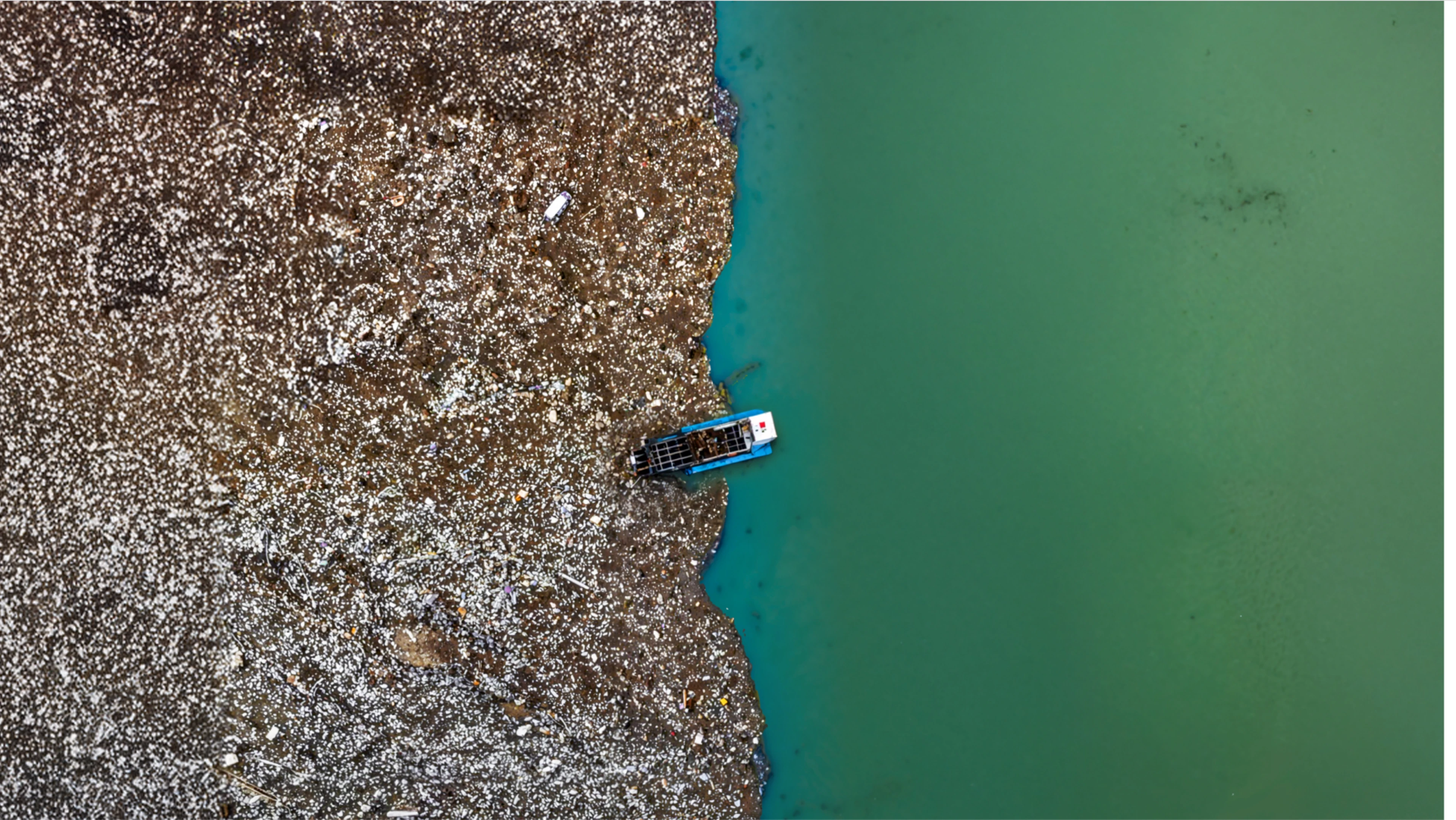
Cleaning up Europe's plastic river, Albania
Every year, 570,000 tons of plastic enter the Mediterranean Sea. That’s as much as 625 garbage trucks being dumped into the sea per day. Because of the Mediterranean’s unique geography, very little water flows out, so the plastic gets trapped. It smothers and entangles wildlife before disintegrating into microplastics. Even though the Mediterranean holds only 1% of the world’s water, it contains 7% of all microplastics.
Find out more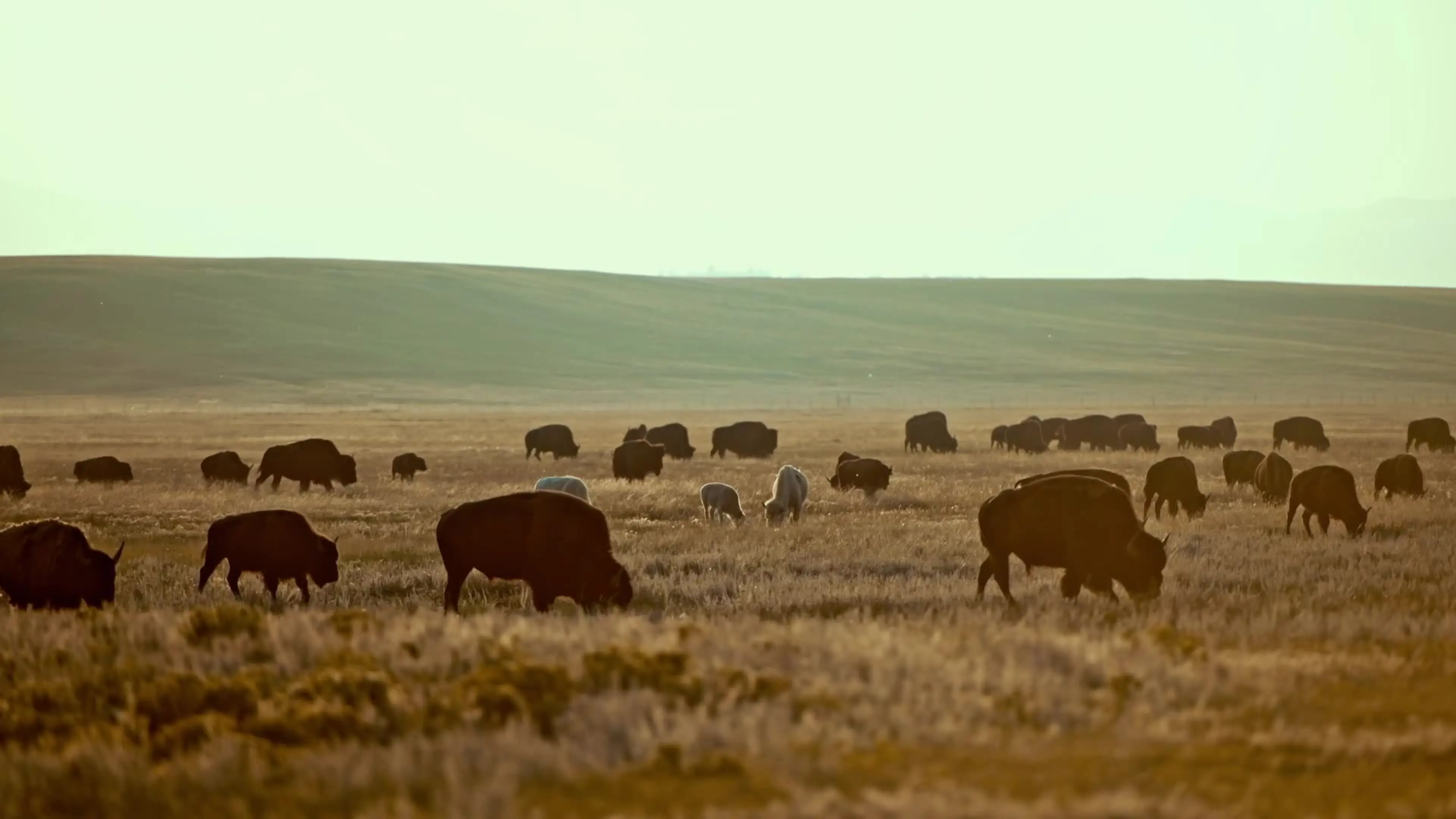
Restoring the American Prairie in Montana
North America was once home to vast grasslands known as the ‘American Serengeti,’ where bison, elk, and countless other wildlife roamed across 240 million acres — nearly the size of Texas and California combined. For thousands of years, Indigenous Americans lived in balance with these rich ecosystems. But the arrival of European settlers shattered that balance. In just a few generations, one of the world’s most vibrant ecosystems was transformed beyond recognition, an ecological and cultural loss so vast it’s hard to imagine today.
Find out more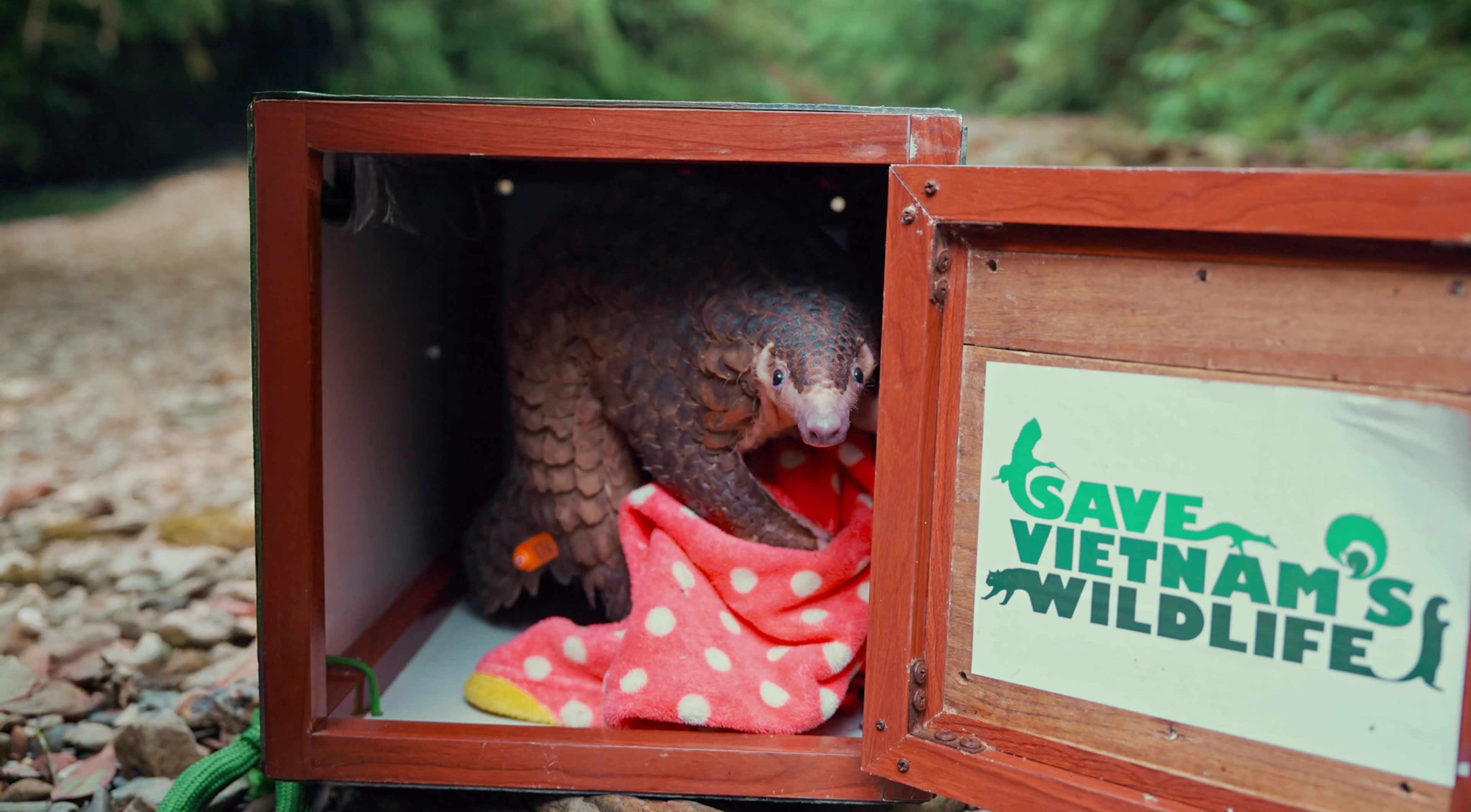
Saving the Pangolin in Vietnam
Pangolins are vital for maintaining a healthy forest ecosystem. They eat up to 20,000 termites and ants every day, helping protect forests from damage. Without pangolins, termite populations would run unchecked. That’s why they’re often called the “guardians of the forest. They’re also living, walking fossils with a lineage dating back some 80 million years. But despite surviving at least five extinction events—including the one that wiped out dinosaurs—pangolin populations are now in steep decline.
Find out more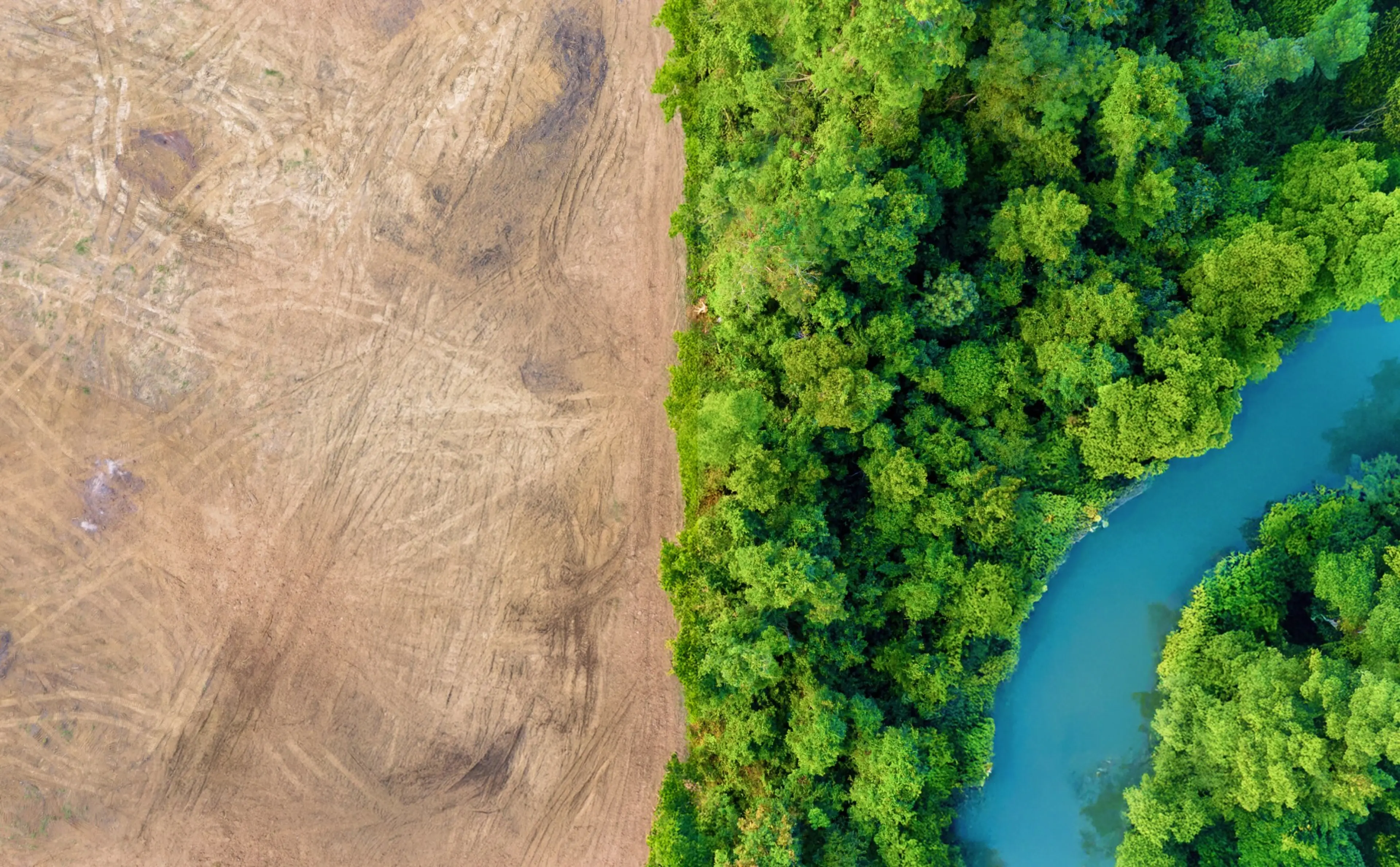
The Fight for the Amazon
The Amazon is the most biodiverse place on Earth, home to 3 million species of plants, animals, and fungi. But it’s more than a biodiversity hotspot, it’s one of nature’s nine global tipping points. If it collapses, the impacts will ripple worldwide: mass species loss, extreme weather, and a surge in global warming. We’re dangerously close to that point. Nearly 18% of the forest has already been lost. Scientists warn that if we hit 20% to 25%, we’d reach a tipping point where deforestation is so severe that the rainforest will no longer be able sustain itself.
Find out more