The Fight for the Amazon
Info
Purchase type
By funding this project you are contributing to their work. You will receive impact reports and measurements but you won't receive a carbon credit.
Categories
Background
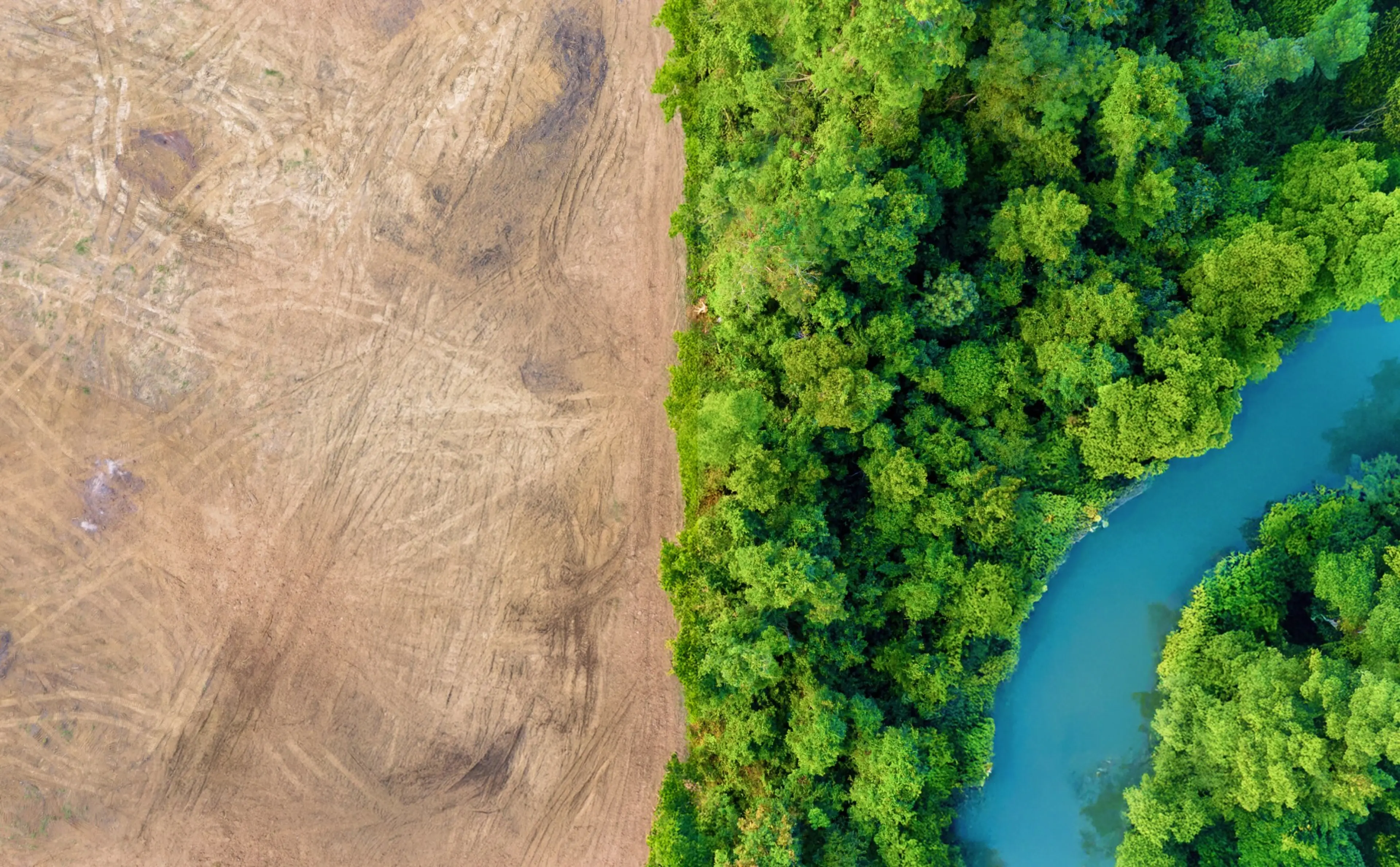
The Amazon is the most biodiverse place on Earth, home to 3 million species of plants, animals, and fungi. But it’s more than a biodiversity hotspot, it’s one of nature’s nine global tipping points. If it collapses, the impacts will ripple worldwide: mass species loss, extreme weather, and a surge in global warming. We’re dangerously close to that point. Nearly 18% of the forest has already been lost. Scientists warn that if we hit 20% to 25%, we’d reach a tipping point where deforestation is so severe that the rainforest will no longer be able sustain itself.
Why did we choose this project?
The Amazon is vital for our planet, but it’s being destroyed at alarming rates. At the heart of Brazil’s “Arc of Destruction,” where 80% of deforestation happens, the Xingu territory stands as a green barrier. Across 150 villages, 16 communities united to organise patrols, community-led fire protection, and legal efforts against illegal loggers and land-grabbers. Their knowledge makes them the Amazon’s best guardians, yet they need support to save their forest.
How does it work?
Planet Wild is backing the communities of the Xingu region in three ways. First, they’re funding three years of forest patrols by providing salaries, headlamps, transport, and other essential field equipment. Second, they’re equipping the community-led fire teams with tools like leaf blowers and satellite internet to help stop fires before they spread. And third, they’re supporting the legal work needed to get the Xingu region recognised as a UNESCO Biosphere Reserve and World Heritage Site. Together, these efforts help the Xingu communities protect their land.
How do we know it's working?
Studies show that Indigenous communities steward up to 80% of the world’s biodiversity. In the Amazon, their presence is the most effective deterrent against illegal activity. In 2024, a forest patrol report triggered a massive police operation that prosecuted offenders and restored 8,000 hectares of Indigenous land. Backing Indigenous-led conservation is therefore one of the most effective and powerful ways to protect the Amazon, and our planet.
UN Sustainability Goals


Location
Brazil