

Sustainability fund
EuRA is supporting projects that remove carbon from the atmosphere and restore nature. We’d like your help in allocating funds. Scroll down to read how.
Voting is now closed
Want to do more? Donate now
These inspirational projects need your support. Donate now to help them continue their planet-saving sustainability work.
Our projects
Learn more about them, choose your favourite, and support them directly.
Aperam BioEnergia Biochar - Brazil
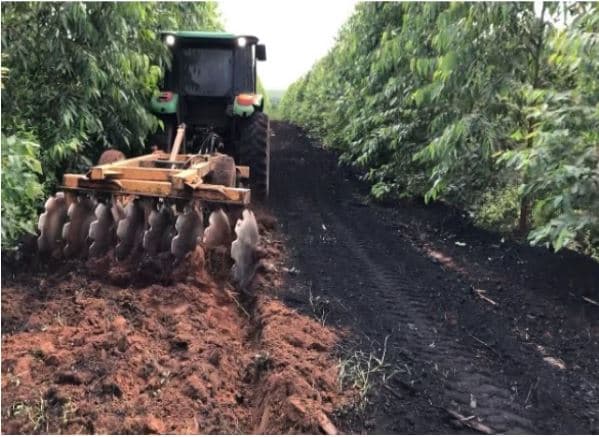
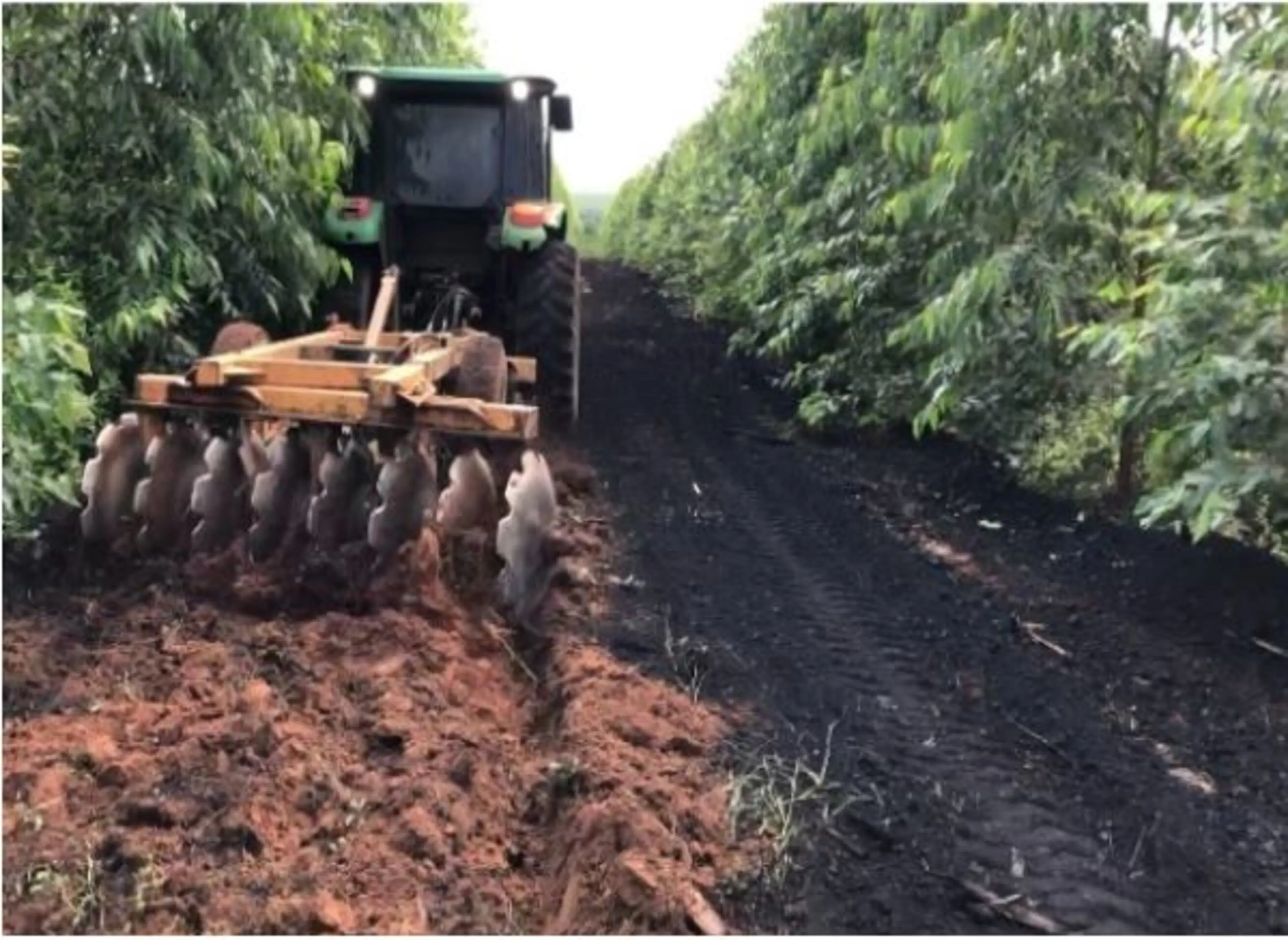
Aperam BioEnergia is a Brazilian player of the forest and renewable energy sector, that runs a ~420.000 ton/year charcoal operation with emissions control in the northeast region of Minas Gerais - Brazil, and holds ~156,000 ha of planted (FSC Certified) and native forest with important biodiversity and economical impact on local communities. Previously, part of the charcoal production that wasn’t being used in Aperam’s industrial process was sold to the market for energy applications, mostly to cement production industries. Now, with the Biochar project, the material is brought back to Aperam BioEnergia forests and applied to the soil, where it not only serves as a durable carbon removal from the atmosphere but also acts as an important natural component for soil characteristics, reconditioning and improvement. This change of baseline is only possible due to the carbon removal revenue.
Find out more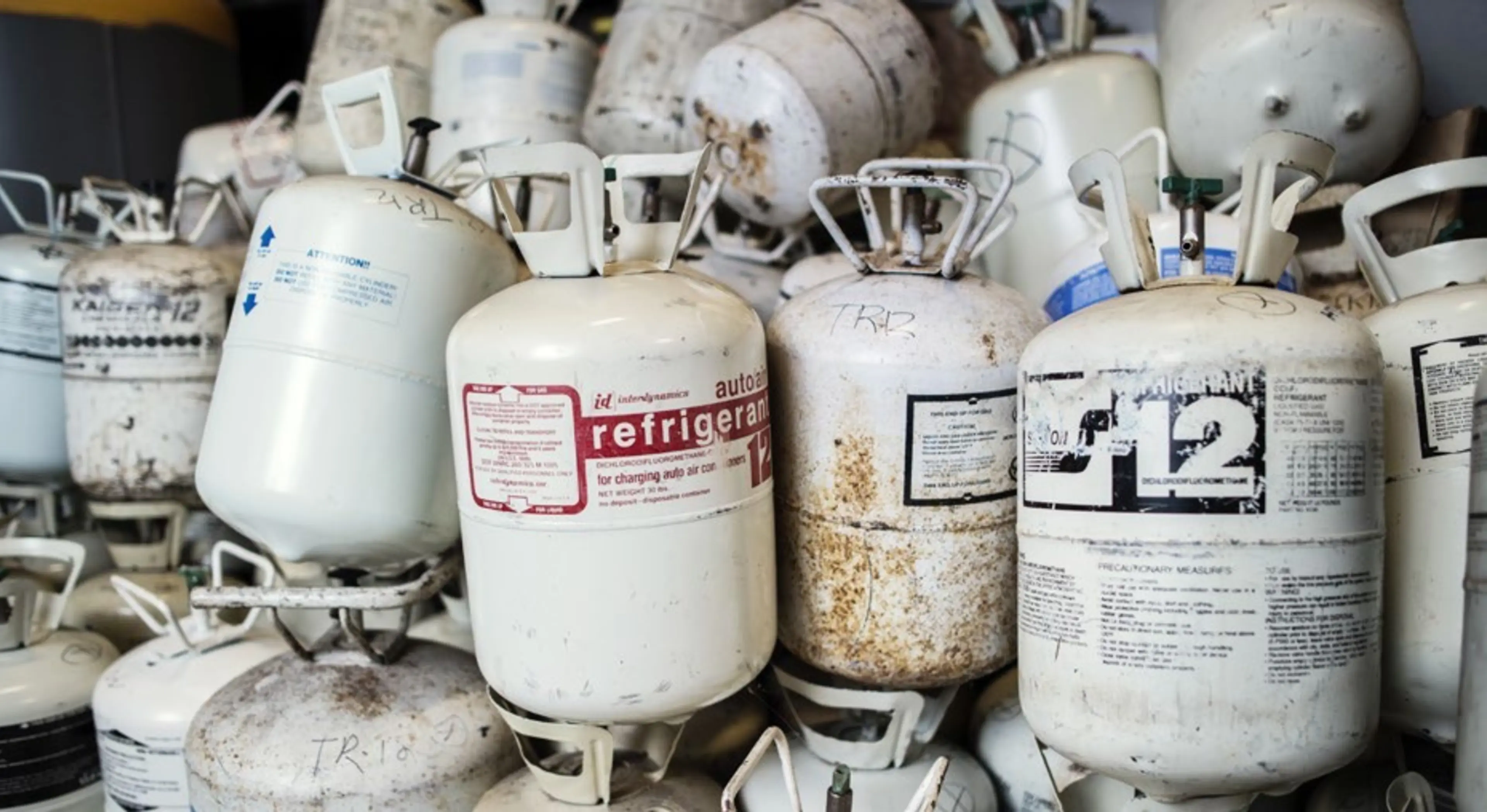
Greenhouse Gas Destruction
This project exists to improve the environment by collecting, controlling, and destroying refrigerants and halon fire suppressants, which are potent non-CO2 greenhouse gases (GHGs), some of which deplete the ozone layer. This collective activity seeks to prevent the annual release of at least 3 million tons of CO2 equivalent into the atmosphere and is critical to avoiding climate change. The Montreal Protocol effectively banned new production of ozone-depleting substances, but large volumes were produced before the ban, risking re-release into the atmosphere.
Find out more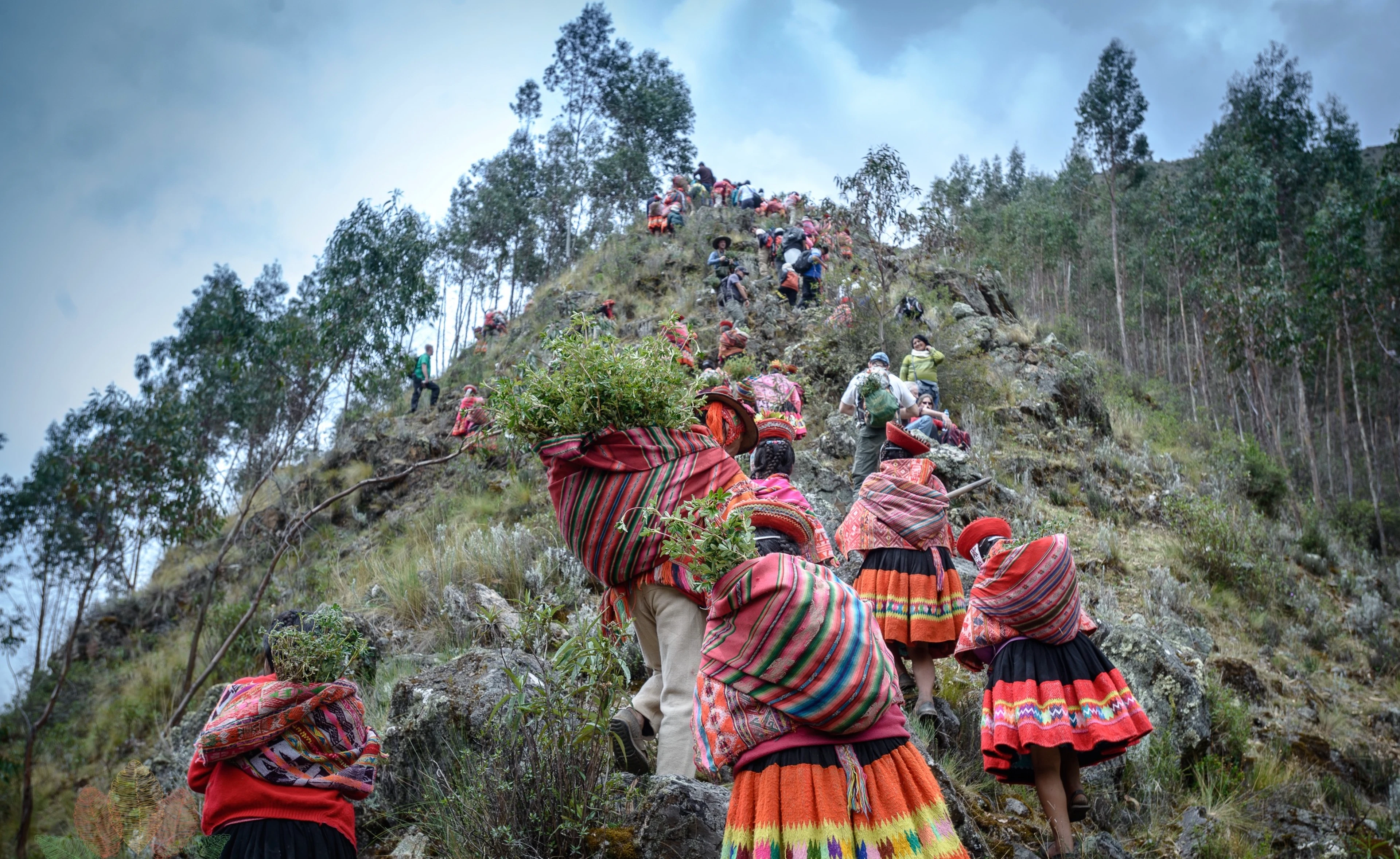
Forest Ecosystem Restoration - Andes
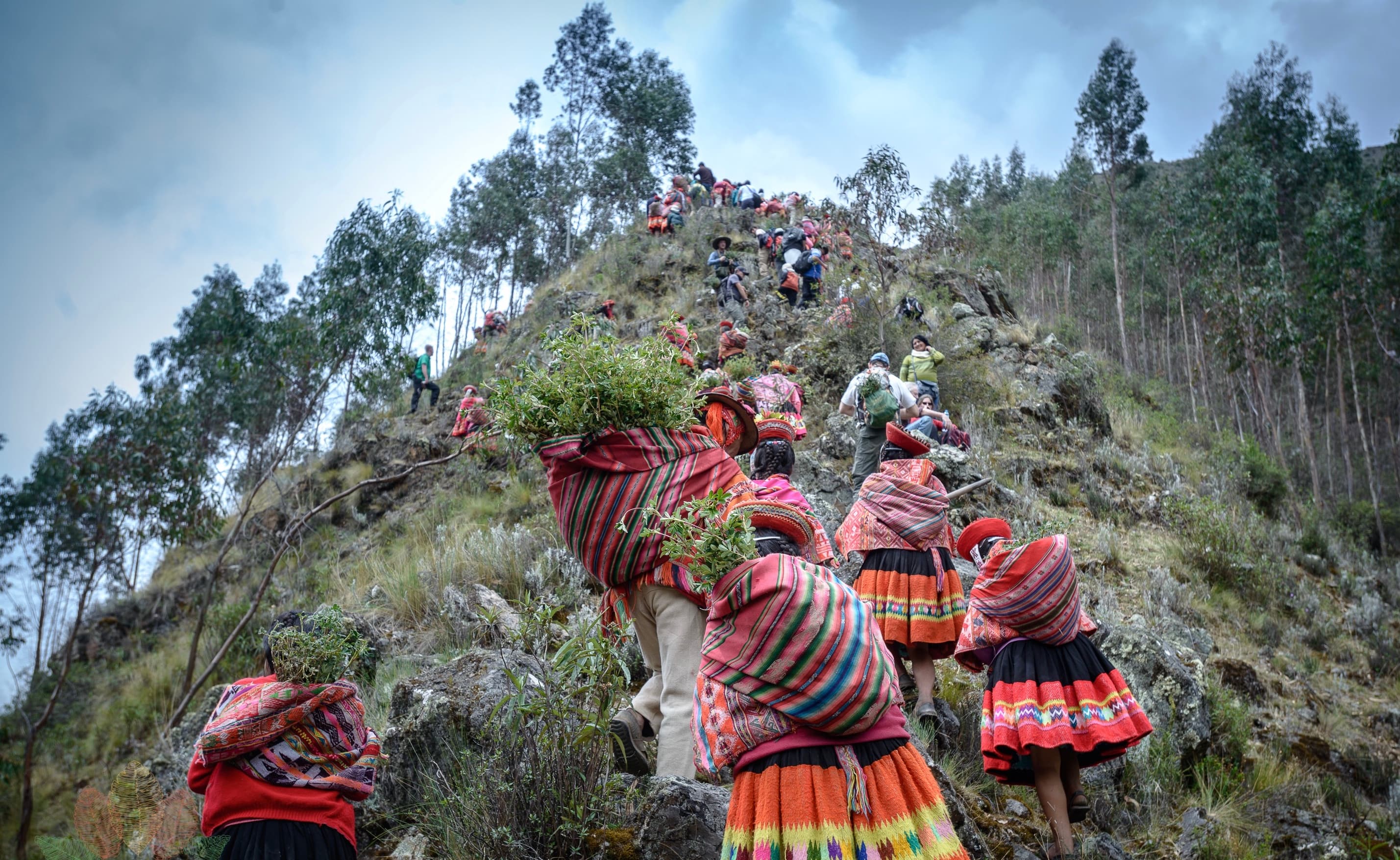
Developing large-scale forest ecosystem restoration partnerships with local leaders and communities, which are essential for climate resilience and the protection of biodiversity, water, and livelihoods.
Find out more