Coffee break with… Brad Nahill, President of SEE Turtles


We sit down for a quick chat with the founder of one of our most popular projects to discuss how it all began and why turtles are so important.
How did it all start?
I co-founded SEE Turtles with my colleague Dr. Wallace “J" Nichols in 2008 as part of Ocean Conservancy. J and I both spent years working on sea turtle conservation in Latin America, and we realised that many sea turtle organisations could benefit from international travellers but did not have the resources to market their projects. So we created SEE Turtles as a way to connect them to the tourism industry. Since then, we have expanded to provide support for nesting beaches and other issues.
Why is it important to protect hatchlings and nesting beaches?
Sea turtles are critical for ocean and coastal habitats and coastal communities. They help control populations of jellyfish, sea sponges and other prey, their nests provide nutrients to coastal vegetation, and hatchlings are an important food source for many predators.
Tell us what you do
SEE Turtles partners with community organisations in more than 20 countries around the world, providing funding to protect more than 50 important nesting beaches. We also support efforts to address the trade of tortoiseshell, and as well as the issue of plastic in turtle habitats.
What do communities get out of it?
The funding we provide helps our partner organisations to hire local residents to patrol nesting beaches and keep away illegal hunters. Many local communities benefit from turtle tourism and a number of indigenous communities have spiritual beliefs relating to these animals.
What are you excited about right now?
Our Billion Baby Turtles programme that Pinwheel is supporting is our biggest and, I think, most effective programme. With a donation of just $1, we can save on average at least 10 hatchlings at important nesting beaches. To date, we have helped save more than 6 million hatchlings to pass 10 million by the end of the year.
What can we all do to protect turtles?
Lots of things! Reducing the use of plastic and participating in cleanups is a great way to help. You can also join one of our turtle conservation trips to do hands-on work, and also learn to recognise and avoid purchasing tortoiseshell products while travelling. For more on how you can help turtles, take a look at our tips.
Feeling inspired to help protect sea turtles?
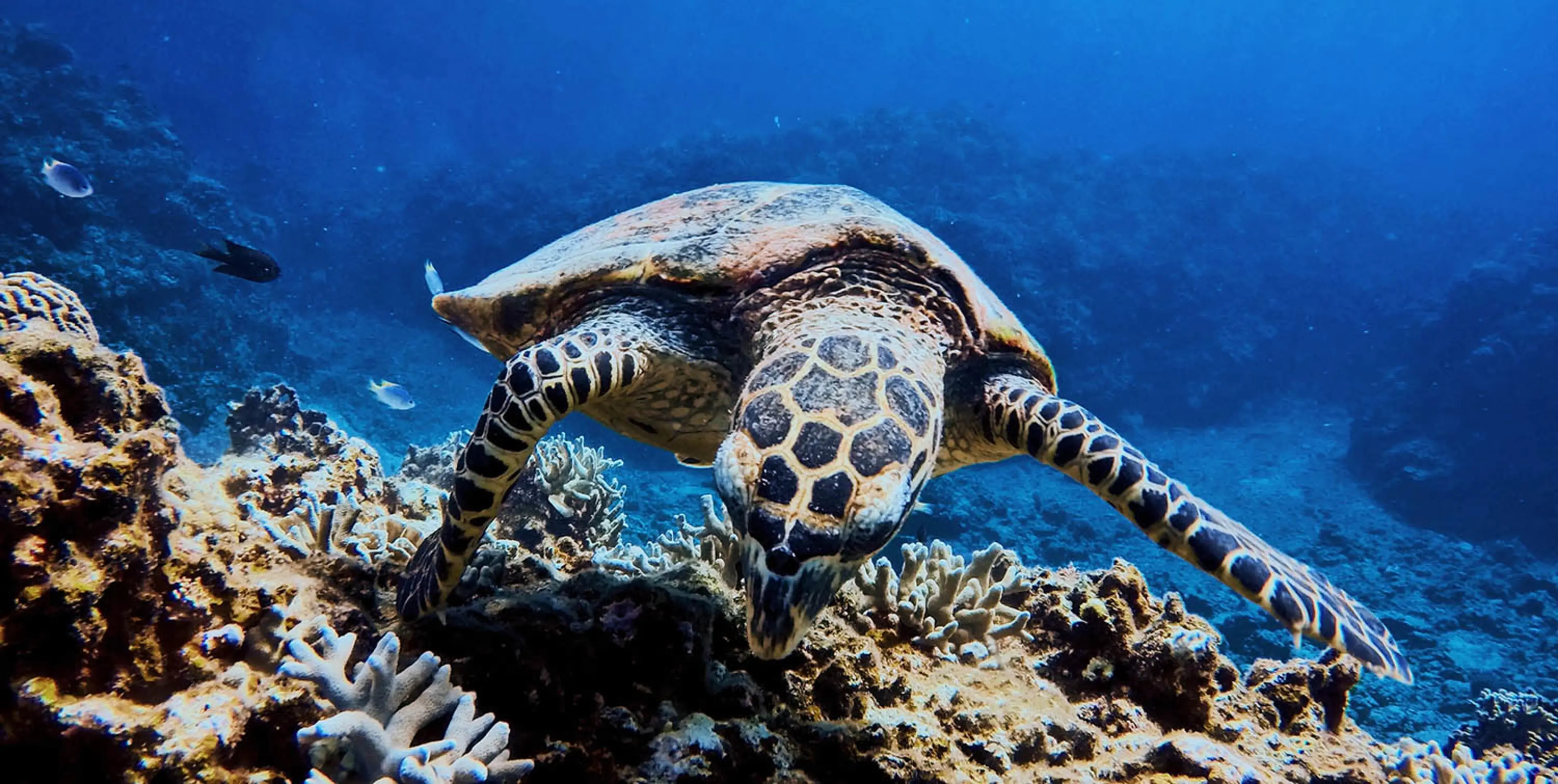
Turtle hatchling protection
Protecting threatened or endangered sea turtles
- Locations
- Costa Rica · Kenya · Indonesia · Ghana, Africa · Sri Lanka · Malaysia · Papua New Guinea · Mexico · Puerto Rico, USA · Trinidad and Tobago · Jamaica
- SDGs
More Articles

Comment: Responsibility has a new meaning: why OER liberates corporate climate strategies
Acronyms have a habit of draining the life out of compelling concepts. And they're doing exactly that to one of the most radical developments in corporate climate action since the Paris Agreement.

Just published: New Gold Standard report on how organisations can take responsibility for ongoing emissions
Hot on the heels of the Science Based Target initiative's (SBTi) Net Zero Standard 2.0 publication, Gold Standard has released vital new guidance on how to navigate the new Ongoing Emissions Responsibility obligations. Gold Standard worked with a team of expert writers on the guidance, including Pinwheel's Chief Impact Officer, Rob Cheesewright.

Pinwheel named in Sifted 100 Leaderboard of fastest-growing startups in 2026
Pinwheel have been named in the 2026 Sifted Leaderboard .

Pinwheel nominated for The Earthshot Prize
Pinwheel nominated for The Earthshot Prize as demand for high-integrity climate projects drives 458% growth