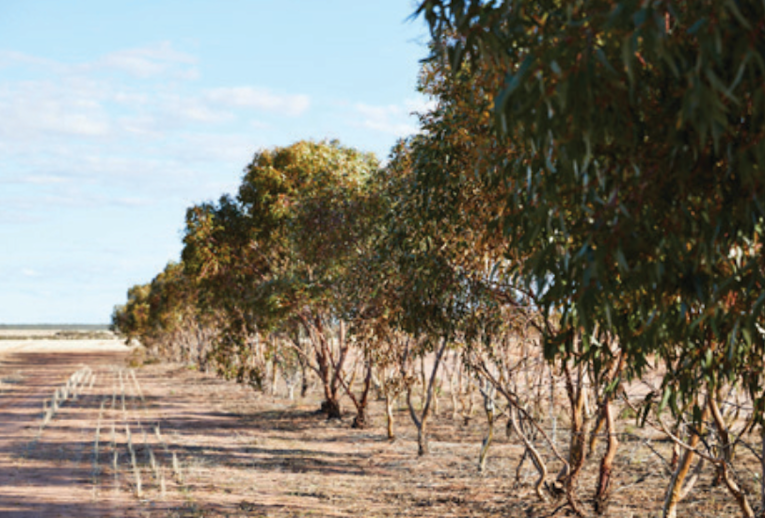
Image taken from Fasera pdf document sent by project

Terrestrial Storage of Biomass Australia

Info


Purchase type

This project provides a verified carbon credit that can be retired on purchase.

Credit vintages

2024

Verified by

Puro

Categories

Western Australia
Biomass burial
Biomass Sequestration
Trees
Farmers
Restoration
Novel CDR
Carbon Credit
Carbon Offsets
Land carbon

Background

In 2023, PURO published a draft methodology for issuing carbon credits from carbon sequestration through the burial of woody biomass, essentially the reverse of fossil fuel extraction. Fasera is well placed to participate in this innovative new methodology, with woody biomass being one of the by-products of their oil mallee harvest. These eucalypt species are already harvested for eucalyptus oil and biochar, with the root naturally "coppicing" and regenerating, facilitating ongoing harvests through an unending cycle.
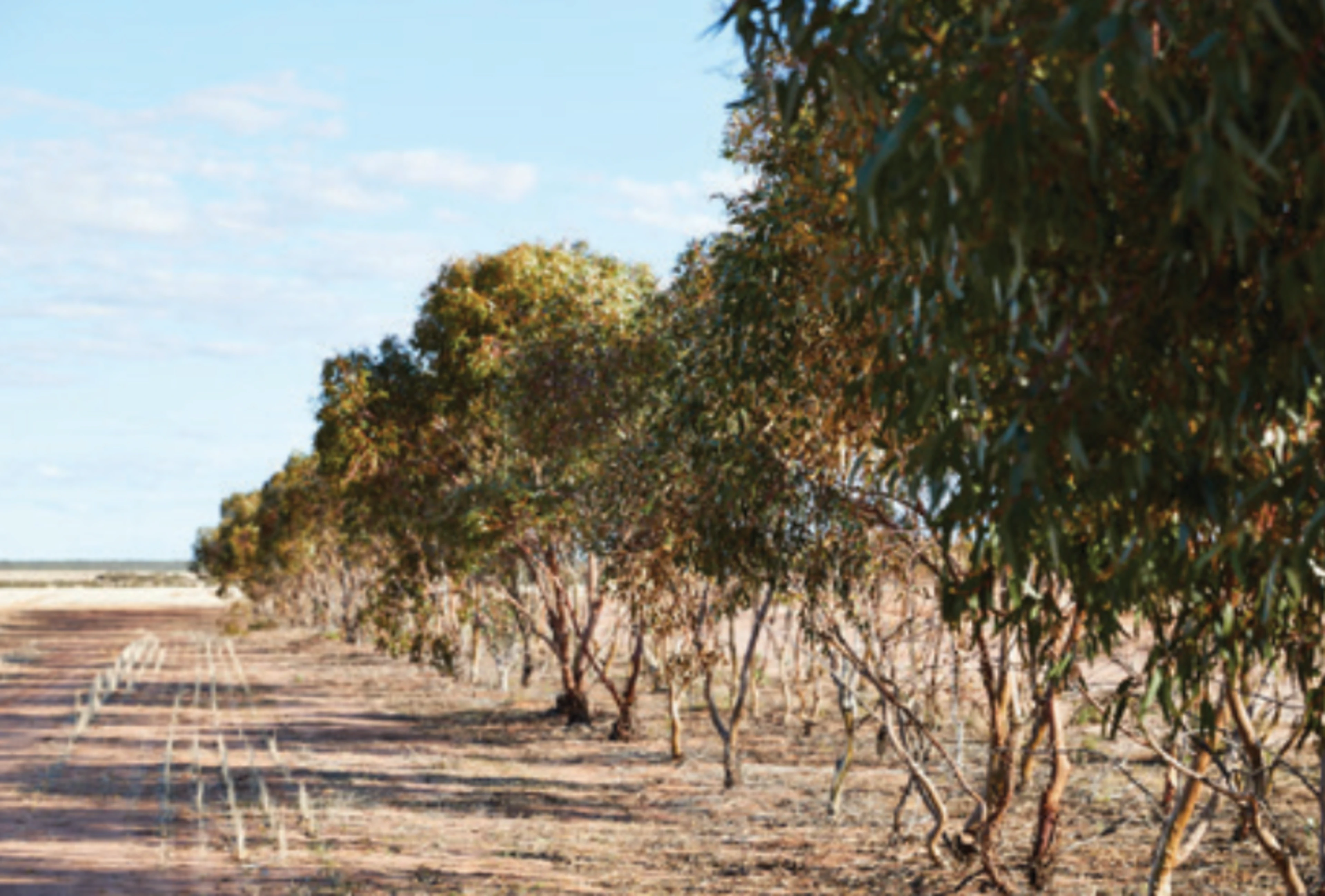
Why did we choose this project?

This woody biomass is perfectly suited to being entombed as a permanent carbon sink and Fasera is at the leading edge of the implementation of this new carbon sequestering process which eliminates the risk of carbon release through fire. The remnant woody biomass is sequestered in chambers on Fasera’s own properties which are in the semi-arid wheatbelt of Western Australia. The chambers are constructed to entomb the biomass in a dry and stable environment so as to preserve the organic carbon for a minimum of 100 years.

How does it work?

Fasera generates CORCs from the production of biochar as well as from the burial of biomass under the Terrestrial Storage of Biomass methodology. Fasera developed a 1500m3 trial chamber in late 2023 with biomass to be buried and the project being audited in Q1 2024. Further chambers, based on evidence from the initial chamber and biomass monitoring, have been constructed.

How do we know it's working?

The PURO Terrestrial Storage of Biomass methodology requires the chambers to be monitored to ensure the permanence of the biomass for the life of the project.

Star fact

We need to remove 10 billion tonnes of C02 from the atmosphere every year by 2050. 


UN Sustainability Goals

08 Decent Work and Economic Growth09 Industry, Innovation and Infrastructure11 Sustainable Cities and Communities12 Responsible Consumption and Production13 Climate Action15 Life on Land

Location

Kulja, in Western Australia.

Want to find out more?