Forest conservation for biodiversity and climate- Ecuador
Locally-led, locally-directed and locally-requested forest conservation
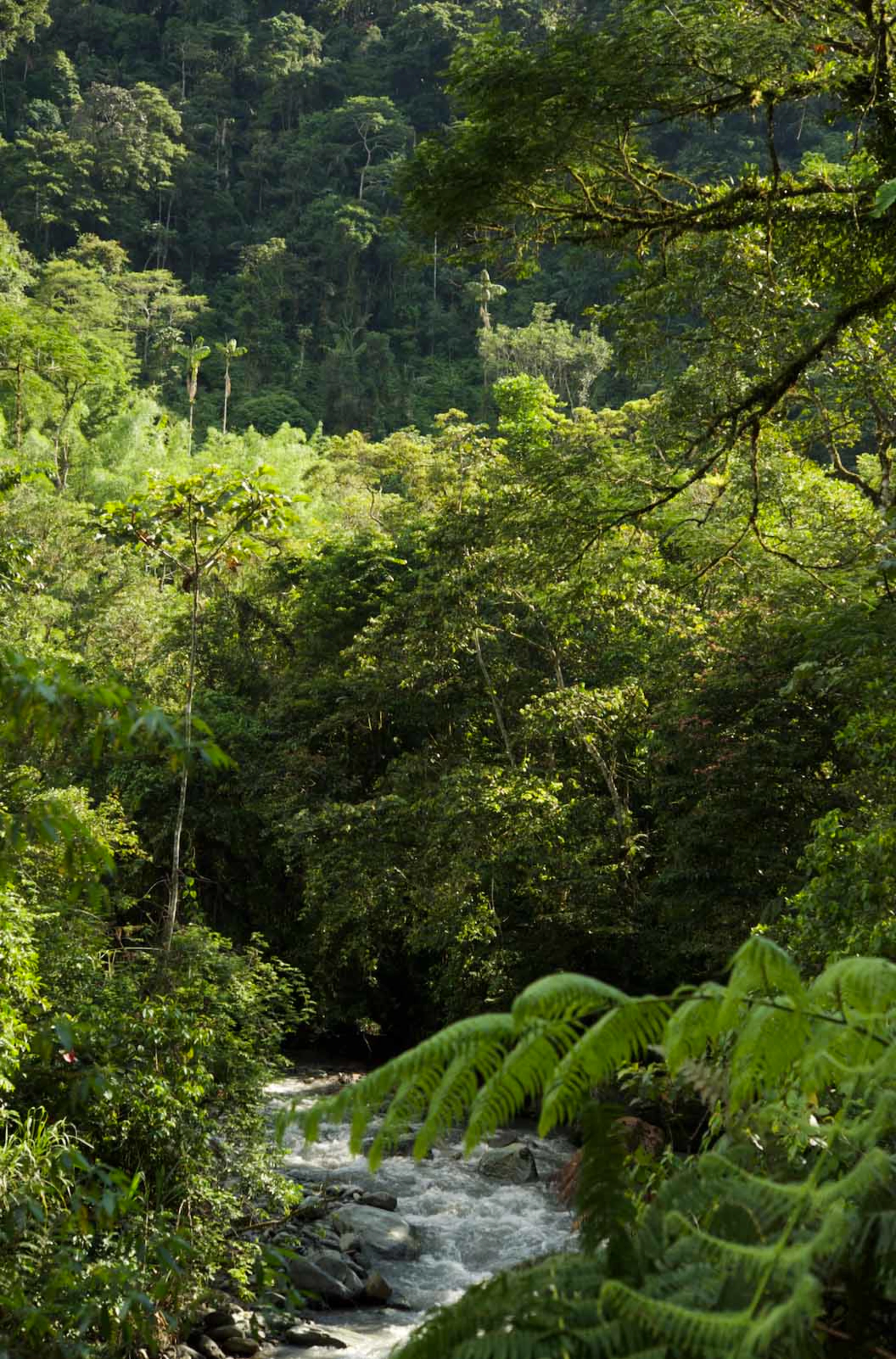
This project supports the conservation of 53,375 acres (21,600 hectares) of old-growth forest. The biodiverse landscape is a migration corridor and home to the Mountain tapir, Spectacled Bear, Bush Dog, Mountain Paca and Stumped Tailed Porcupine. In collaboration with Art to Acres, the funds raised will support local communities in conserving the lands on which they have historically lived. Art to Acres is an artist-founded, non-profit environmental initiative that partners with the cultural community for intersectional conversation and large-scale land conservation support. To date, the initiative has supported 32 million acres of new locally-led permanent protected areas and 814,203,000 tonnes of protected underground carbon.
Action feed
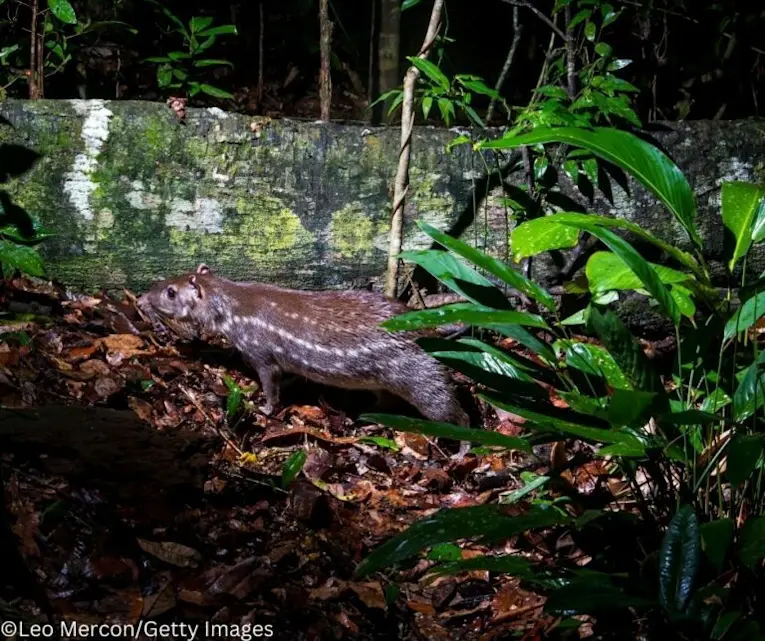
The Lowland Paca (Cuniculus paca) is found within the conservation area. Native to tropical and subtropical America, this rodent plays a fundamental role in the Amazon as a seed disperser. Photo credit: Leo Mercon. Image from Andes Amazon Fund
Over a month ago
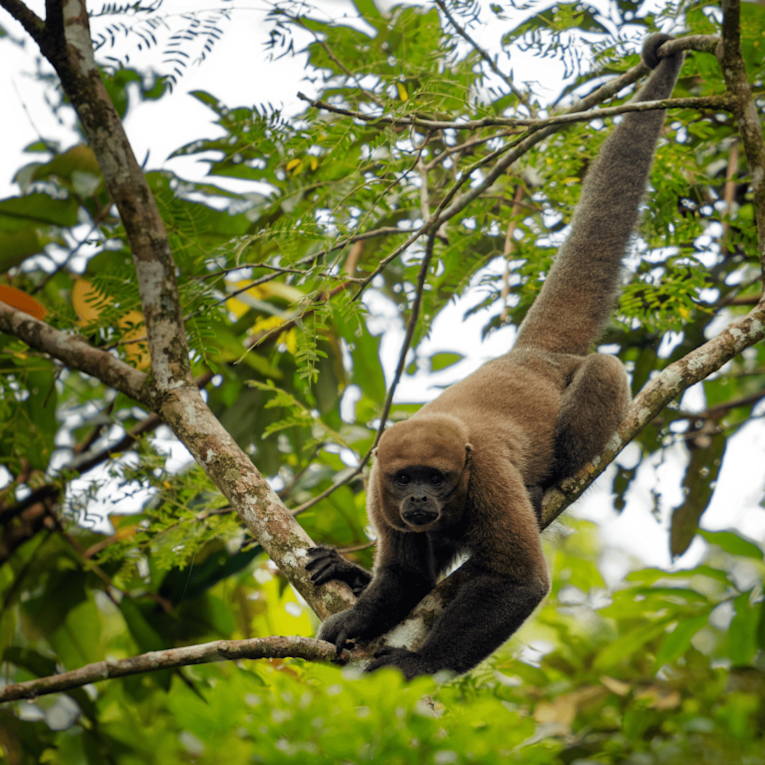
Humboldt’s Wooly Monkey (Lagothrix lagothricha) is a conservation priority of Sucúa due to its vulnerable population status. Photo credit Andes Amazon Fund (https://www.andesamazonfund.org/country/sucua-municipal-conservation-area-protects-ecuadorian-andes/)
Over a month ago
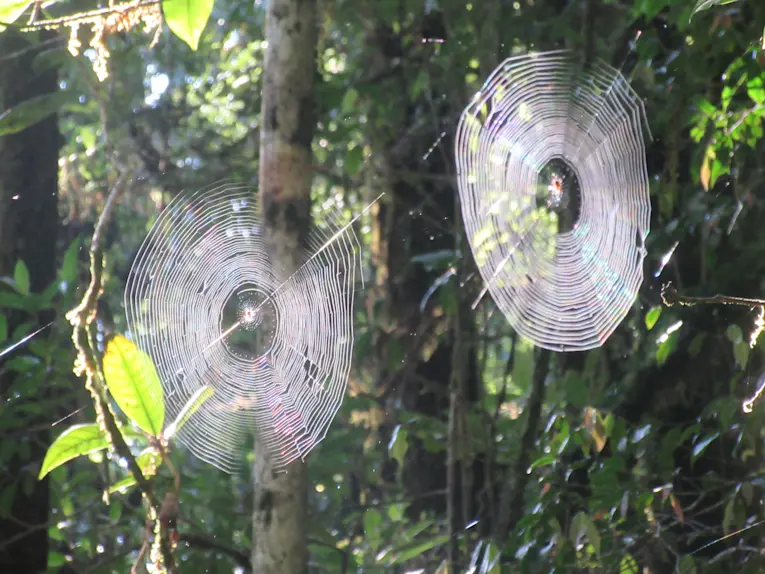
A double spider web is photographed by artist Elizabeth Jaegar during her visit to learn more about cloud forest canopies.
Over a month ago
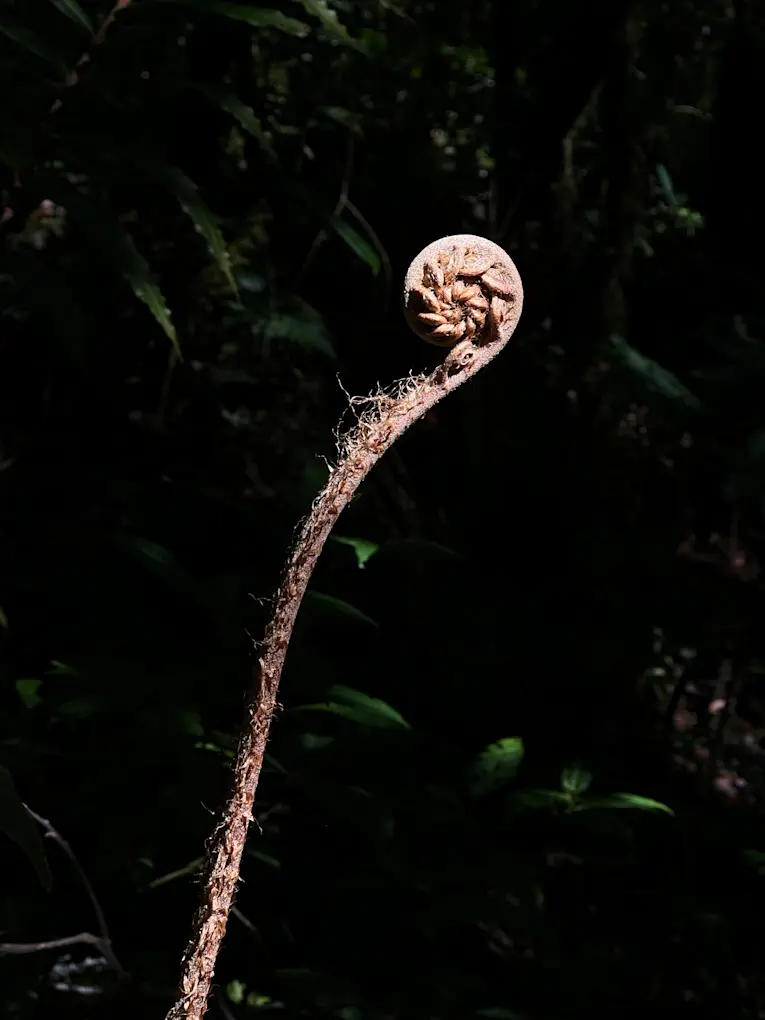
There are 10,560 known species of Ferns. The green, photosynthetic part of the plant is technically a megaphyll and in ferns, it is often referred to as a frond. New leaves typically expand by the unrolling of a tight spiral called a crozier or fiddlehead into fronds. This uncurling of the leaf is termed circinate vernation. The plants reproduce via spores and have neither seeds nor flowers.
Over a month ago
The cloud forest, about 2 pm, between rains.
Over a month ago
Cloud forests are biodiversity-rich ecosystems with a large number of species directly or indirectly depending on them. They often exhibit an abundance of mosses covering the ground and vegetation, in which case they are also referred to as mossy forests. This watershed of Morona Santiago is a clean drinking source for local communities and is home to the Mountain tapir, the Spectacled Bear, the Mountain Paca and the Stumped Tailed Porcupine. Here are some resident cloud forest species...
Over a month ago
Cloud forests are the rainiest places in the world. Another rainstorm... an exceptional amount of water causes vertical caves to develop in the ground, as water seeks a way down.
Over a month ago
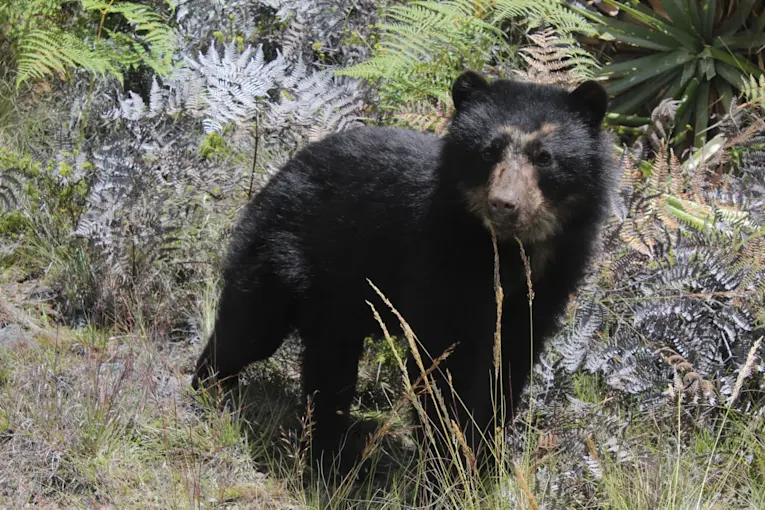
The Andean bear, or spectacled bear, is located here in Morona Santiago, Ecuador, and is the only bear native to South America. It is a clever, arboreal animal that builds platforms and nests in trees. Whitish or cream spectacles encircle these bears' eyes. Each individual spectacled bear has its own distinctive set, or "fingerprint" of distinct cream or whitish markings on its head, throat and chest.
Over a month ago
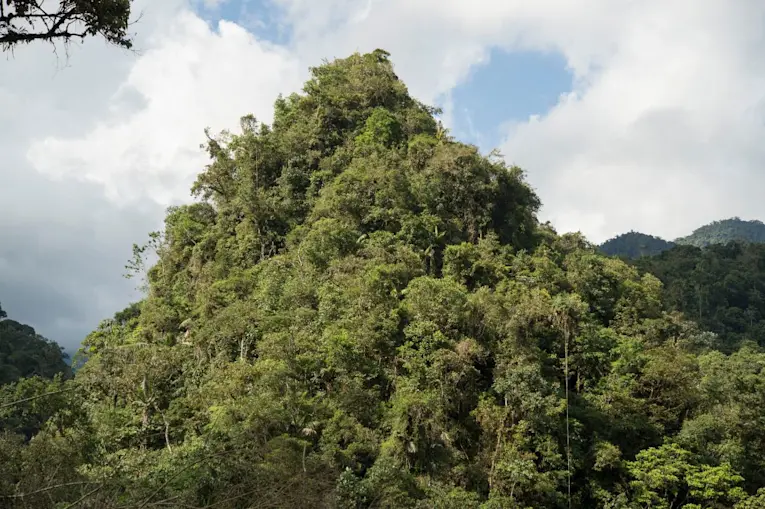
Conservation work and local municipal meetings are underway! This is a view of the proposed future municipal conservation area in the Morona Santiago province, at the foot of the Andean Mountains, forming part of a forest belt for migratory purposes.
Over a month ago
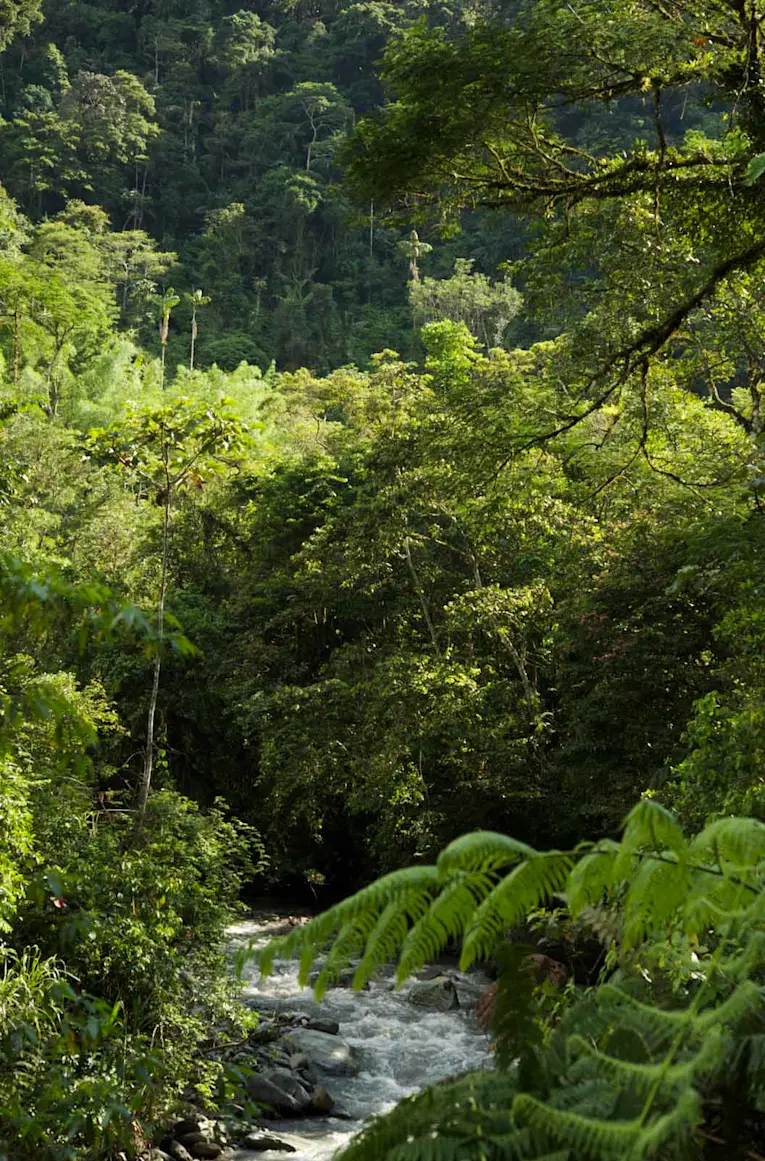
Forest conservation for biodiversity and climate- Ecuador joined Pinwheel!
Over a month ago
Forest conservation for biodiversity and climate- Ecuador was verified by Pinwheel
Over a month ago