Carbon Removal in Building Materials
Converting CO₂ into solid building materials through accelerated carbonation
This project operate three sites in the United Kingdom and together they process over 150,000 tonnes of waste each year which would have otherwise been sent to landfill and produce over 300,000 tonnes of sustainable construction materials.
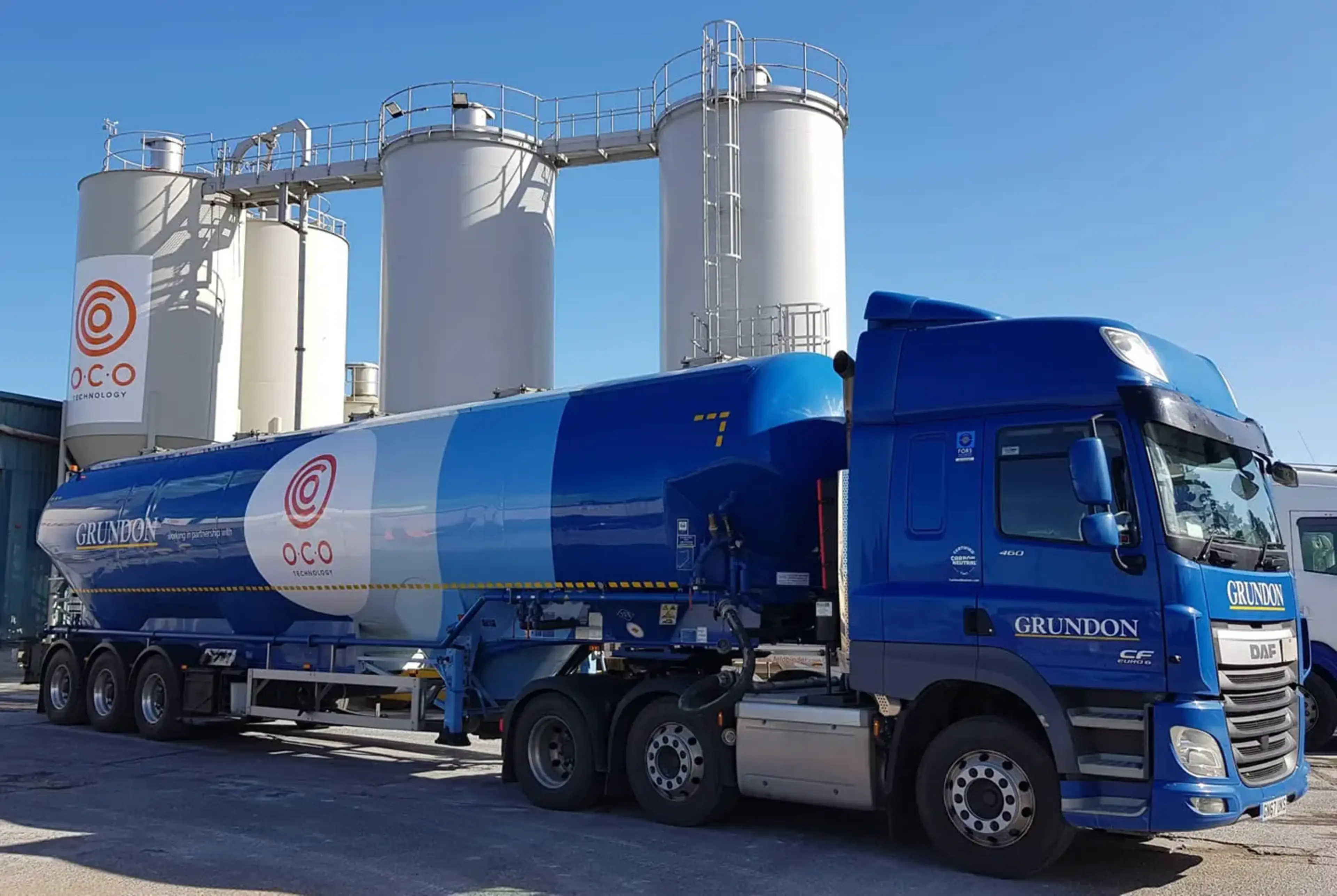
Action feed
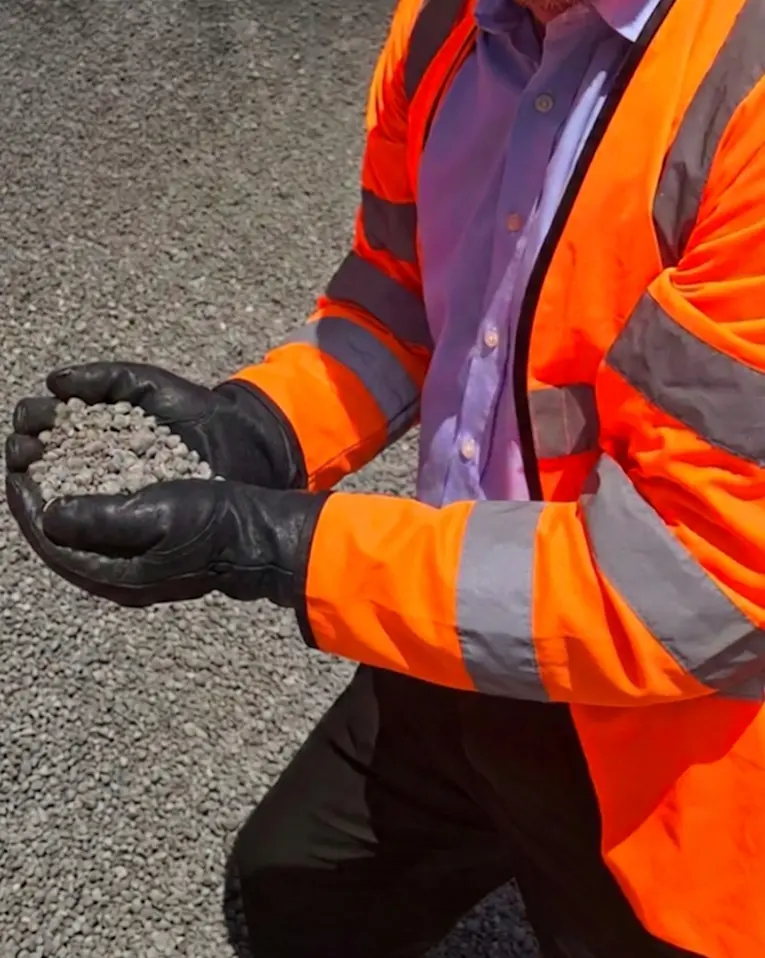
O.C.O's Carbon Negative Aggregate. Photo credit: O.C.C Technology
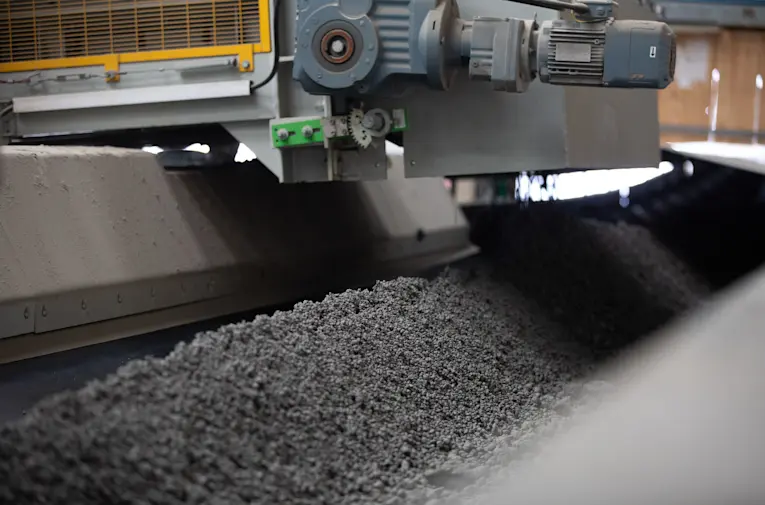
Aggregate on its way to the bay. Photo credit: O.C.O Technology
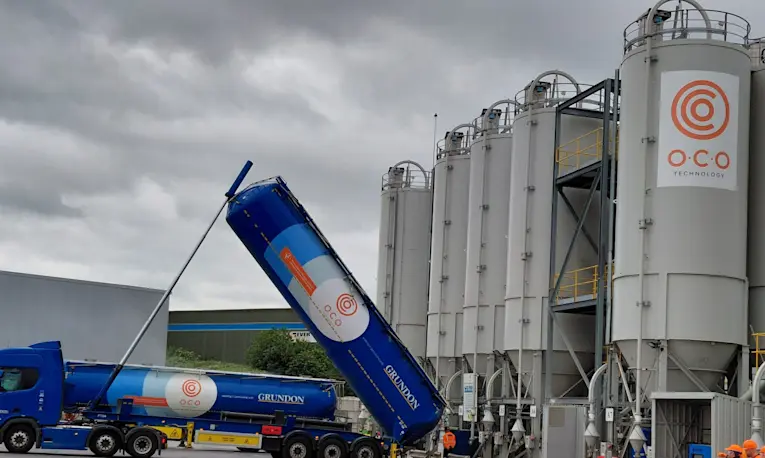
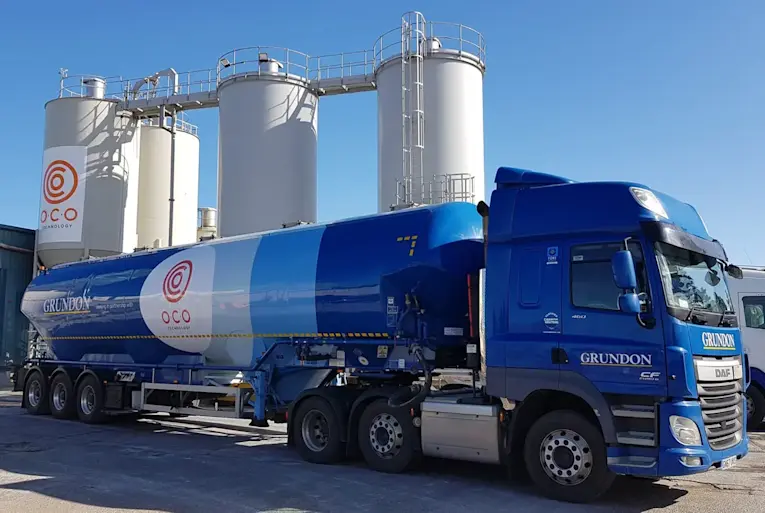
Thermal Treatment Residues arrives from Energy From Waste (EFW) plants and is unloaded into the silos for processing. Photo credit: O.C.O Technology
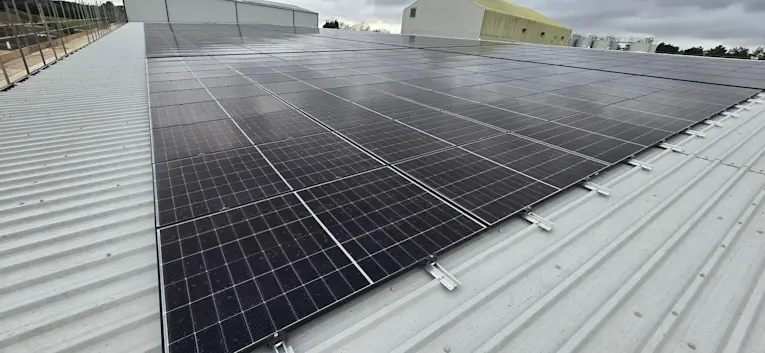
O.C.O Technology has expanded its solar energy capacity with a new 600 kW array at its Wretham site in Norfolk, increasing on-site renewable energy generation and reducing CO₂ emissions. The investment supports the company's mission to produce more sustainable, low-carbon construction materials. Photo credit: O.C.O Technology
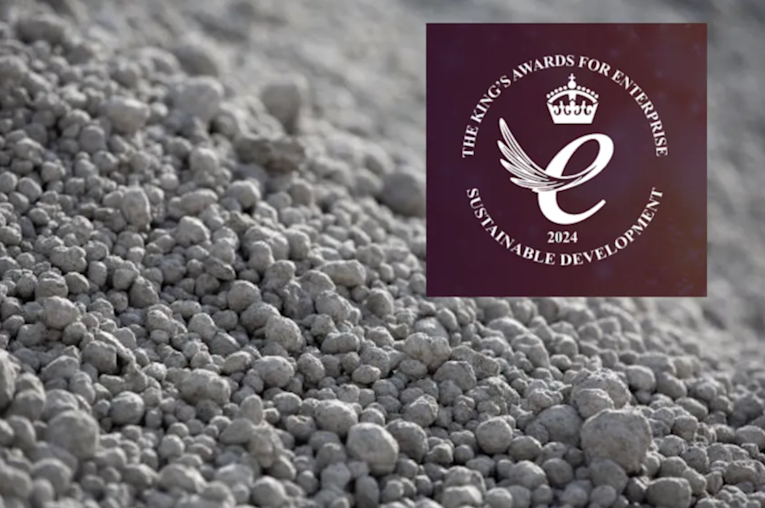
We are proud to announce that we have won the King’s Award for Enterprise: Sustainable Development 2024. We are one of only 28 organisations across the nation to be recognised in this category for this most prestigious of awards, and received it in recognition of the benefit we bring to the environment through our recycling of waste, capture of carbon, and supply of sustainable aggregates.
Carbon Removal in Building Materials joined Pinwheel!